WHGI Research
Informing Policy, Strengthening Programs, and Elevating Lived Experiences
Our Core Research Areas
Faculty, staff, and partners at the William H. Gates Sr. Institute for Population and Reproductive Health (WHGI) at the Johns Hopkins Bloomberg School of Public Health generate and translate evidence to inform policy, strengthen programs, and elevate lived experiences across global health systems. Our researchers are leading voices on reproductive health research and its subspecialties and have amassed a body of peer-reviewed articles in our core research areas: Abortion & Reproductive Rights; Adolescent Sexual and Reproductive Health; Contraceptive Dynamics & Access; Demographic Futures & Population Dynamics; Infertility; Maternal Health; Measurement & Evaluation; and Women’s Empowerment & Reproductive Coercion. Explore emerging insights and connect with top subject matter experts by reading about these research topics and explore:
"Is the drop in maternal deaths worldwide from safer childbirth care, or from fewer unintended pregnancies?" Study Link
"Can women in rural West Africa get treated for infertility, or is care only available in cities?" Study Link
"Why do most global health surveys only start asking girls about their sexual health at age 15?" Blog Link

Abortion and Reproductive Rights
Generating stronger evidence on abortion access, safety, and quality of care
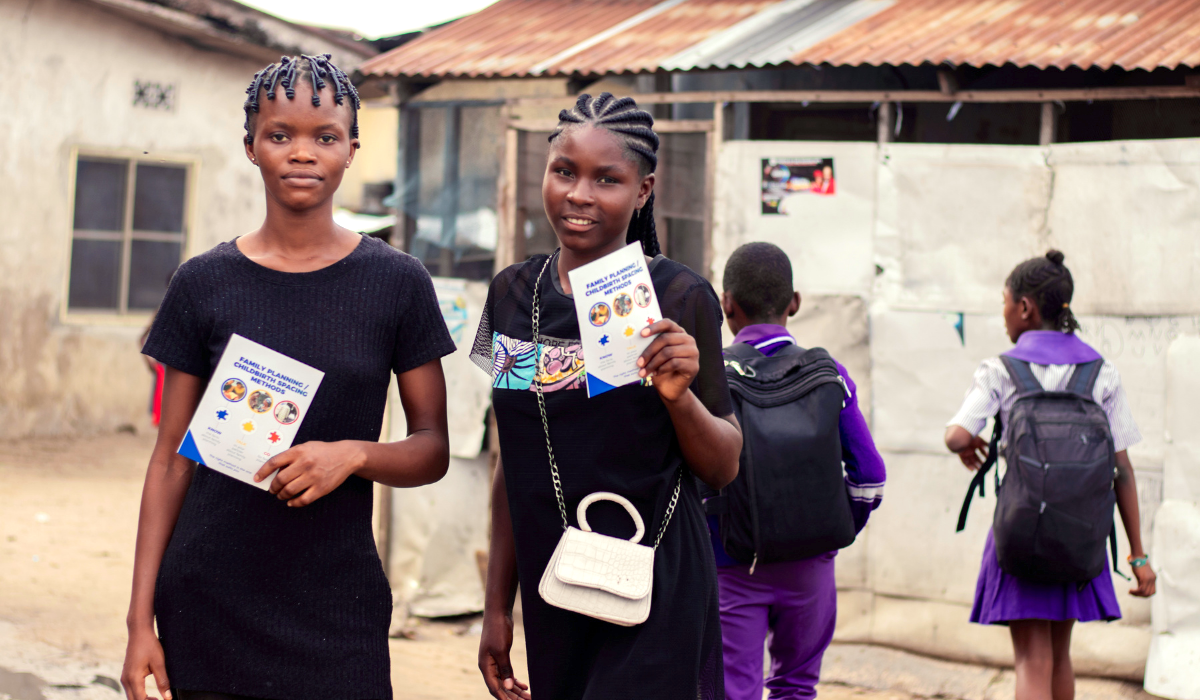
Adolescent Sexual and Reproductive Health
Measuring the knowledge, norms, and relationships that shape adolescent sexual and reproductive well-being
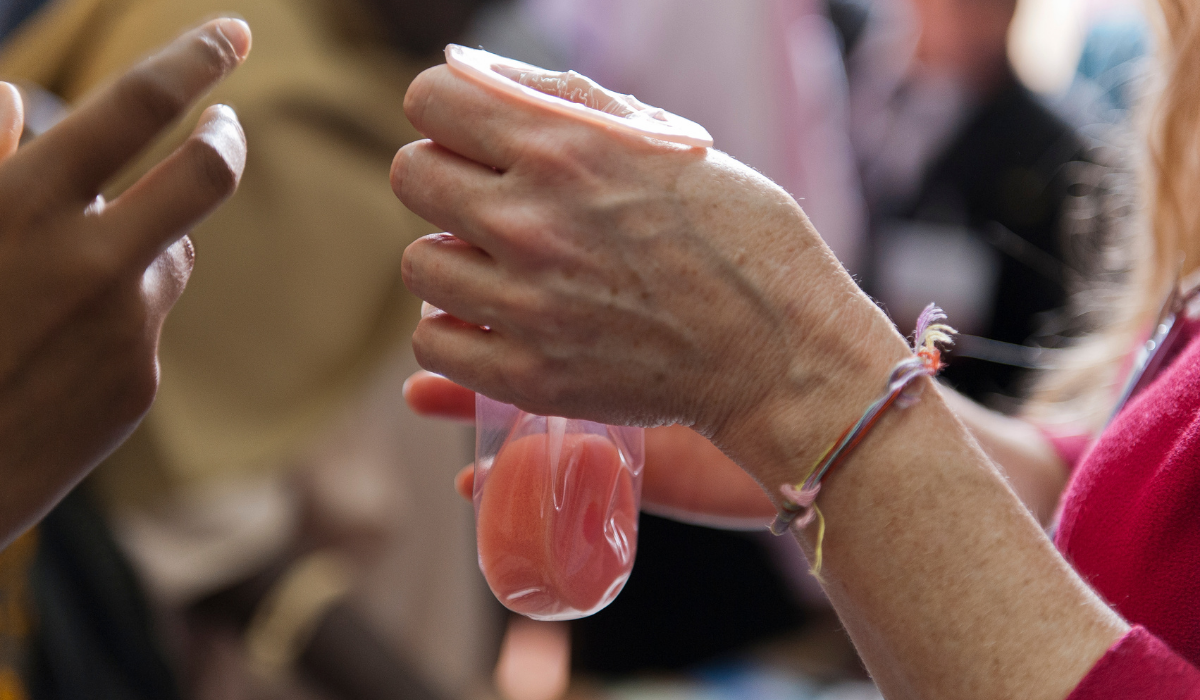
Contraceptive Dynamics and Access
Understanding method choice, use, and delivery systems to improve access and informed decision-making

Demographic Futures and Population Dynamics
Investigating how population change is reshaping economies, health systems, labor markets, and societies.

Infertility
Expanding recognition, research, and care for infertility within comprehensive reproductive health systems
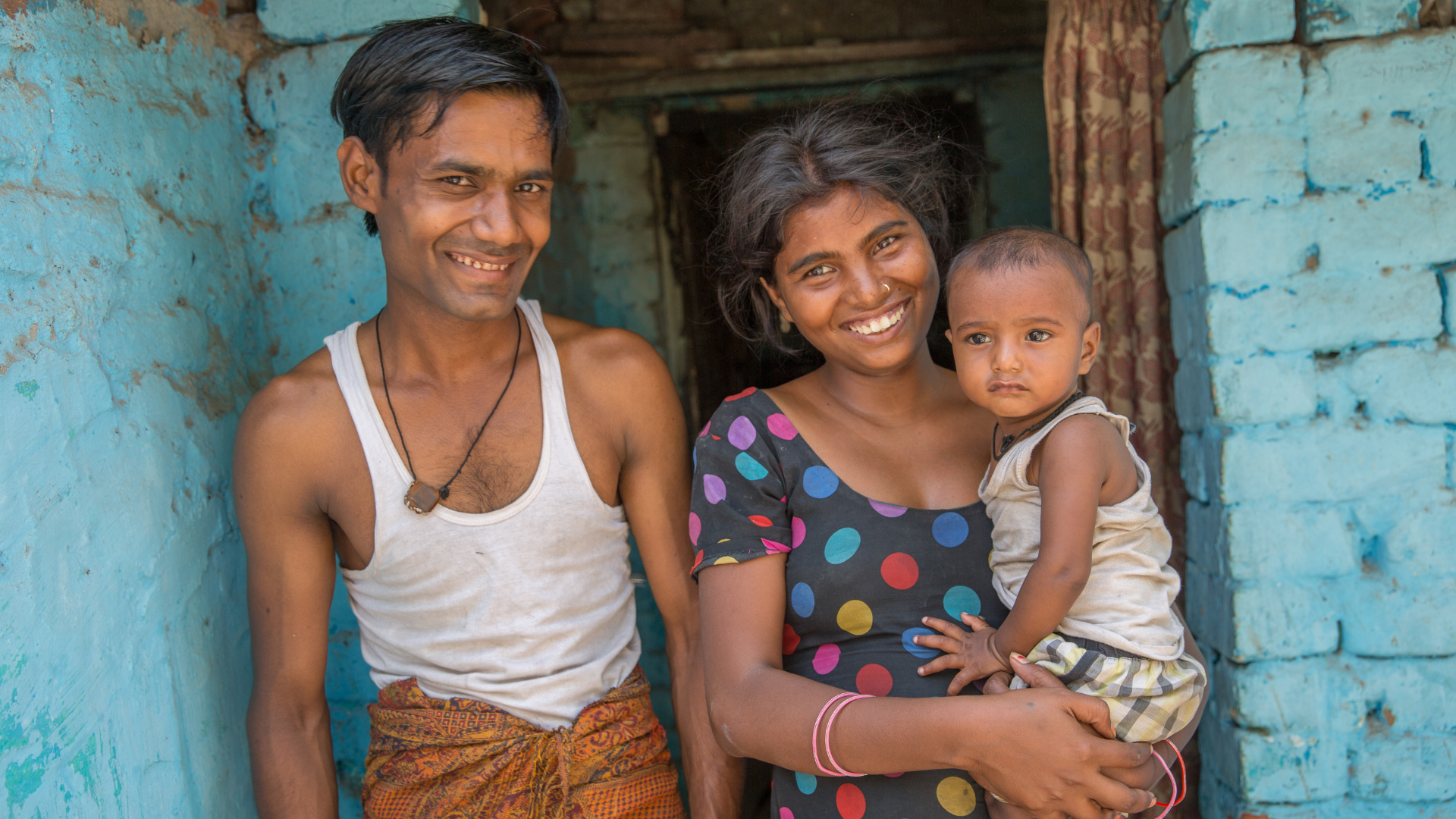
Male Sexual and Reproductive Health
Expanding research on men as users, partners, and decision-makers in sexual and reproductive health
[COMING SOON]
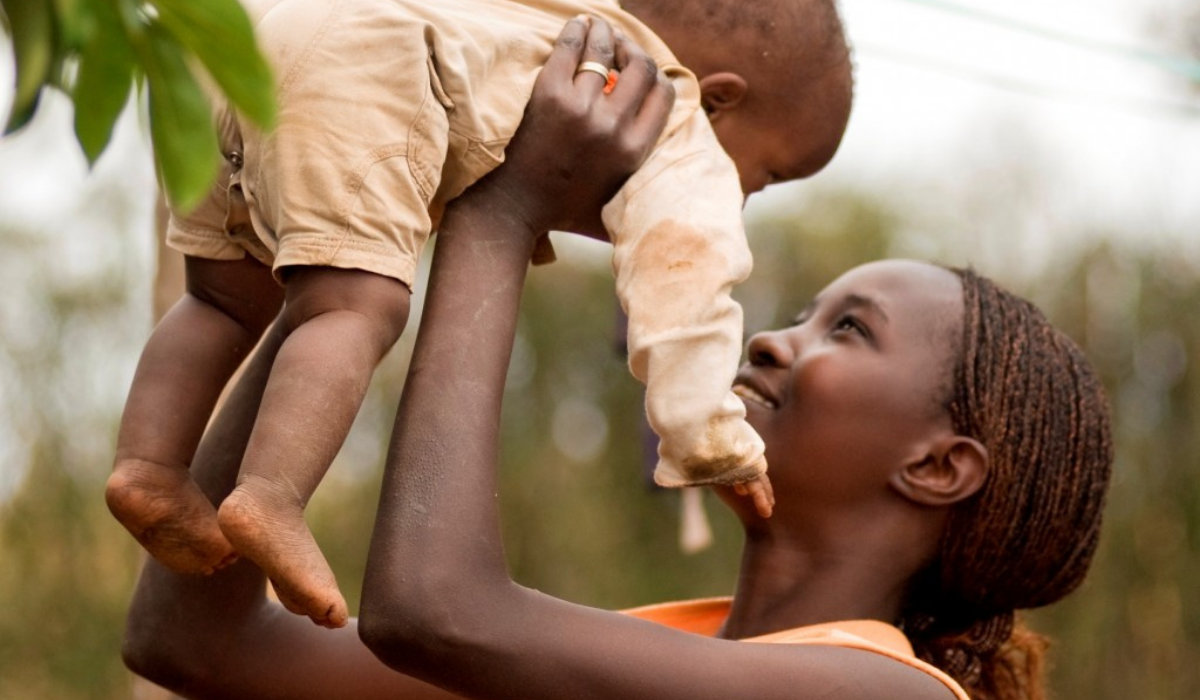
Maternal Health
Improving care quality, outcomes, and access across the continuum of reproductive and maternal health
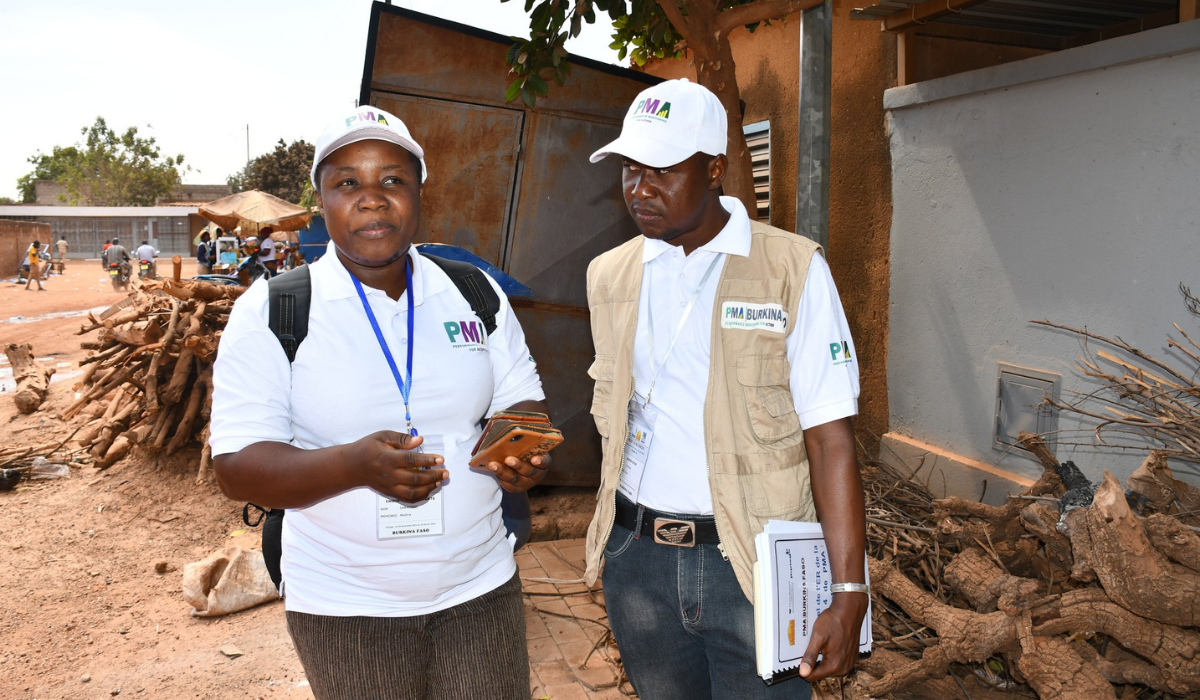
Measurement and Evaluation
Strengthening how we measure impact, generate evidence, and inform programs and policy
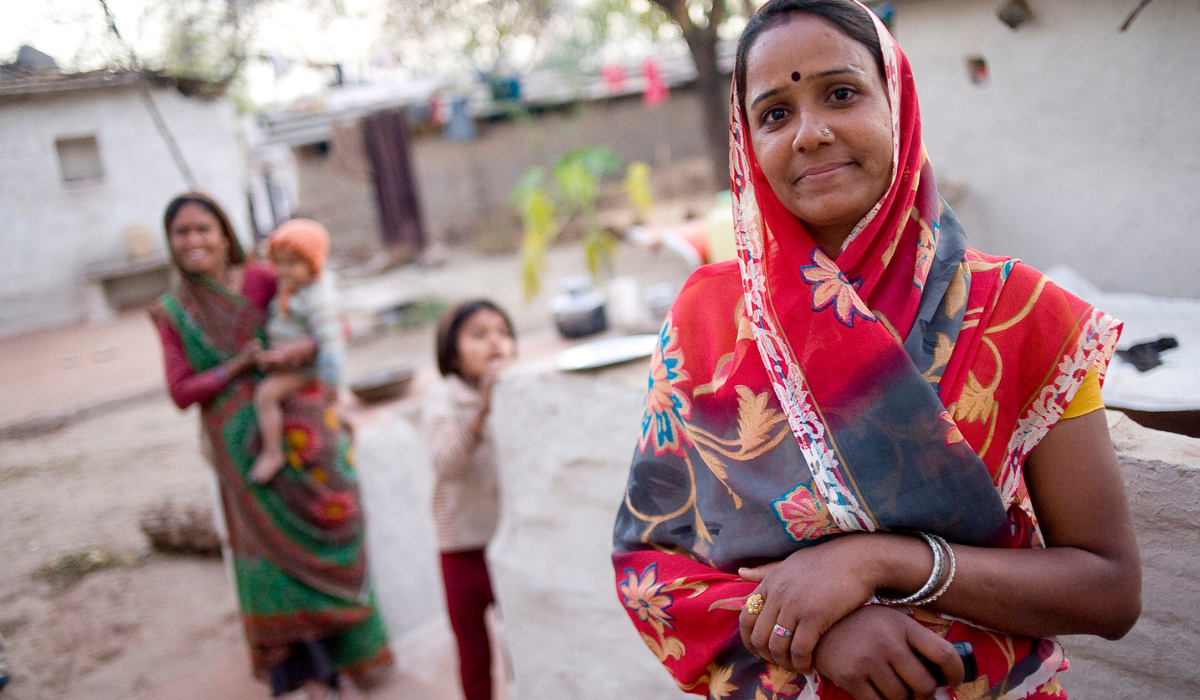
Women’s Empowerment and Reproductive Coercion
Addressing intimate partner violence and reproductive coercion to protect decision-making, safety, and access to care
Explore All WHGI Research
Use the filters below to find WHGI research across researcher, resource type, language, and location.
Researcher
Research Topic
Resource Type
- All Types
- Peer-reviewed Journal Articles
- Advocacy Briefs
- Case Studies & Briefs
- Policy Briefs
- Technical Briefs
- Commentary
- Tools & Guides
- Infographics
- Interviews
- Training Materials
- Position Papers
- Working Papers
- PowerPoint Presentations
- Presentations
- Conference Proceedings
- Annual and Progress Reports
- Evaluation and Assessment Reports
- Reports
- Fact Sheets
- Workbooks
- Worksheet
Location



Meet the WHGI Research Team

Institute Director | Professor
Dr. Philip Anglewicz is Director of the William H. Gates Sr. Institute for Population and Reproductive Health and Principal Investigator of the Performance Monitoring for Action Project.
Institute Director | Professor
Dr. Philip Anglewicz is Director of the William H. Gates Sr. Institute for Population and Reproductive Health and Principal Investigator of the Performance Monitoring for Action Project.

Professor and WHGI Research Director
Caroline Moreau is Professor at the Johns Hopkins Bloomberg School of Public Health, Senior Researcher at the French National Institute of Health and Medical Research (INSERM), and Research Director at the William H. Gates Sr. Institute for Population and Reproductive Health. Her work examines how gender, social class, race, and other forms of social inequality shape sexual and reproductive health across the life course.

Professor
Saifuddin Ahmed, MBBS, PhD, is a Professor at the Department of Population, Family and Reproductive Health, with a joint appointment in the Department of Biostatistics. His research interests include improving estimates of maternal mortality and morbidity in resource-poor settings, family planning modeling, and survey design and intervention evaluation.

Assistant Professor
Suzanne Bell, PhD, MPH, is an Assistant Professor in the Department of Population, Family and Reproductive Health at the Johns Hopkins University Bloomberg School of Public Health, where she received her PhD with a focus in demography.
Assistant Professor
Suzanne Bell, PhD, MPH, is an Assistant Professor in the Department of Population, Family and Reproductive Health at the Johns Hopkins University Bloomberg School of Public Health, where she received her PhD with a focus in demography.

Principal Investigator | Associate Professor
Dr. Linnea Zimmerman has a PhD from the Department of Population, Family and Reproductive Health at the Johns Hopkins Bloomberg School of Public Health and a Masters in Public Health from Emory University. She has a background in demography and focuses on family planning and women's reproductive health research.

Assistant Scientist
Carolina Cardona is a health economist focused on understanding demographic processes and their effect on economic development. She is particularly interested in the influence of women’s sexual and reproductive health decisions on women’s roles in society and how they shape demographic transitions.

Assistant Professor
Dr. Shannon N. Wood's research focuses on the intersection between social determinants of women’s health, most notably gender-based violence, and adverse reproductive and sexual health outcomes.
Assistant Professor
Dr. Shannon N. Wood's research focuses on the intersection between social determinants of women’s health, most notably gender-based violence, and adverse reproductive and sexual health outcomes.

Assistant Professor
Celia Karp, PhD, is an Assistant Professor at the Johns Hopkins Bloomberg School of Public Health and a Senior Technical Advisor at the William H. Gates Institute. Her work focuses on reproductive health preferences, services, and outcomes.
Assistant Professor
Celia Karp, PhD, is an Assistant Professor at the Johns Hopkins Bloomberg School of Public Health and a Senior Technical Advisor at the William H. Gates Institute. Her work focuses on reproductive health preferences, services, and outcomes.

Assistant Scientist
Dr. Dana Sarnak studies the intersection of sexual and reproductive health and demography, particularly their intersection around fertility. Specifically, she studies how fertility preferences and contraception intentions influence contraceptive use dynamics in countries experiencing fertility transitions.

Research Program Officer
Guy Bai provides support for data Management activities for PMA countries at the global level as a Program Officer. Prior of joining PMA technical Unit, Guy was working as a Senior Data Manager at Institut Supérieur des Sciences de la Population (ISSP) in Burkina for the PMA project and among other projects affiliated with ISSP.

Research Assistant
Nicole is a Research Assistant at the William H. Gates Sr. Institute for Population and Reproductive Health at Johns Hopkins Bloomberg School of Public Health, where she currently supports data management and visualization, program analytics and grant development across maternal health and sexual and reproductive health and rights initiatives in the Latin America & the Caribbean region.

Related News & Events