WHGI Research Area
Contraceptive Dynamics & Access
Understanding method choice, use, and delivery systems to improve access and informed decision-making
WHGI has moved the field beyond a static view of women as contraceptive users or non-users, following the same women over time to understand why they start, continue, switch, or stop, and how the care they receive shapes those trajectories.
What We Study
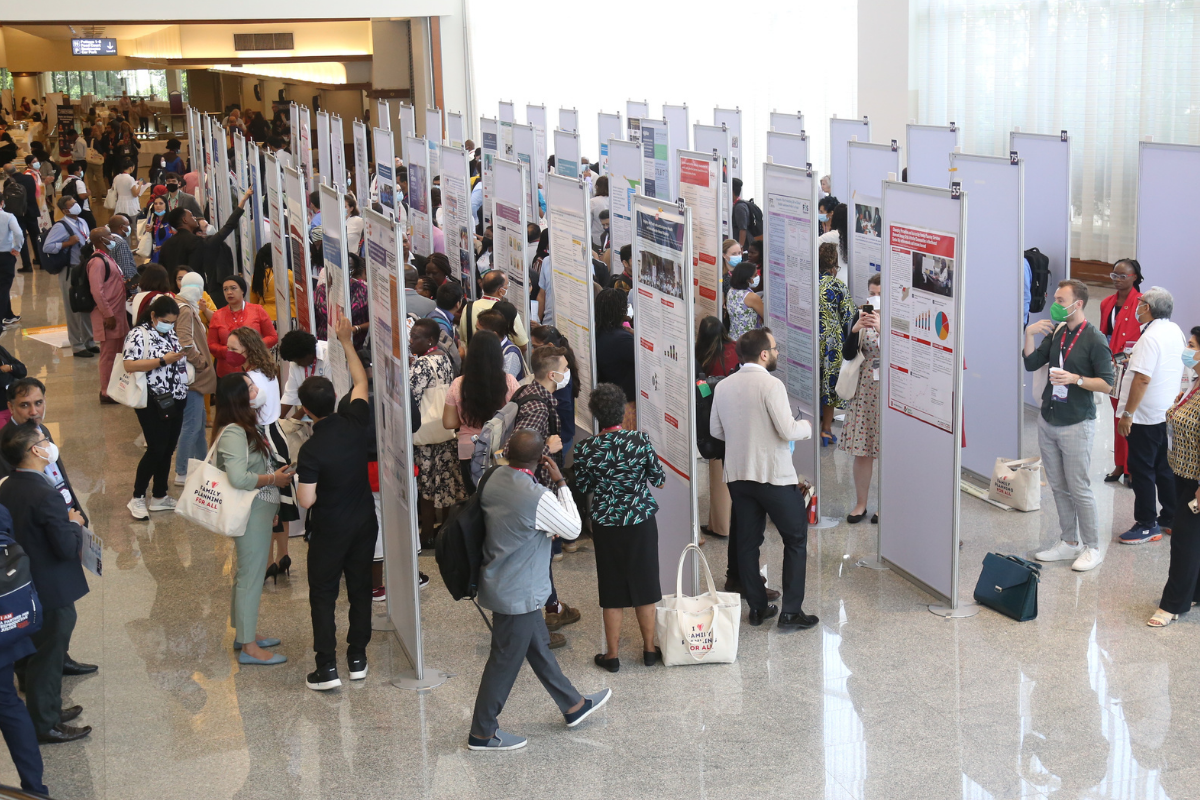
Historically, the William H. Gates Sr. Institute for Population and Reproductive Health (WHGI) helped build the evidence for why family planning matters for women’s health, and the rationale that underpinned the 2012 London Summit on Family Planning.
As contraceptive use expanded, WHGI has broadened the evidence base from documenting population-level change to understanding the drivers of contraceptive trajectories and experiences.
Through its flagship data platform, Performance Monitoring for Action (PMA), WHGI expanded nationally representative surveys to follow the same women over time, providing a clearer picture of how and why their contraceptive needs and use change over time. The population data can be linked to the services environments available to women, and through PMA Agile, to repeated facility surveys and clients’ reports of the care they receive. PMA has also provided a platform for developing and testing measures that can be compared across diverse cultural settings.
Together, this infrastructure moves beyond a static view of women as either contraceptive users or non-users. It makes it possible to study how preferences and use evolve over time, why women start, continue, switch, or discontinue methods and how those trajectories relate to the services available to them.
Quality of care and person-centered counseling are therefore not separate concerns from contraceptive outcomes; they help determine whether women can use contraception in ways that are aligned with their preferences and reproductive goals.
Why it Matters
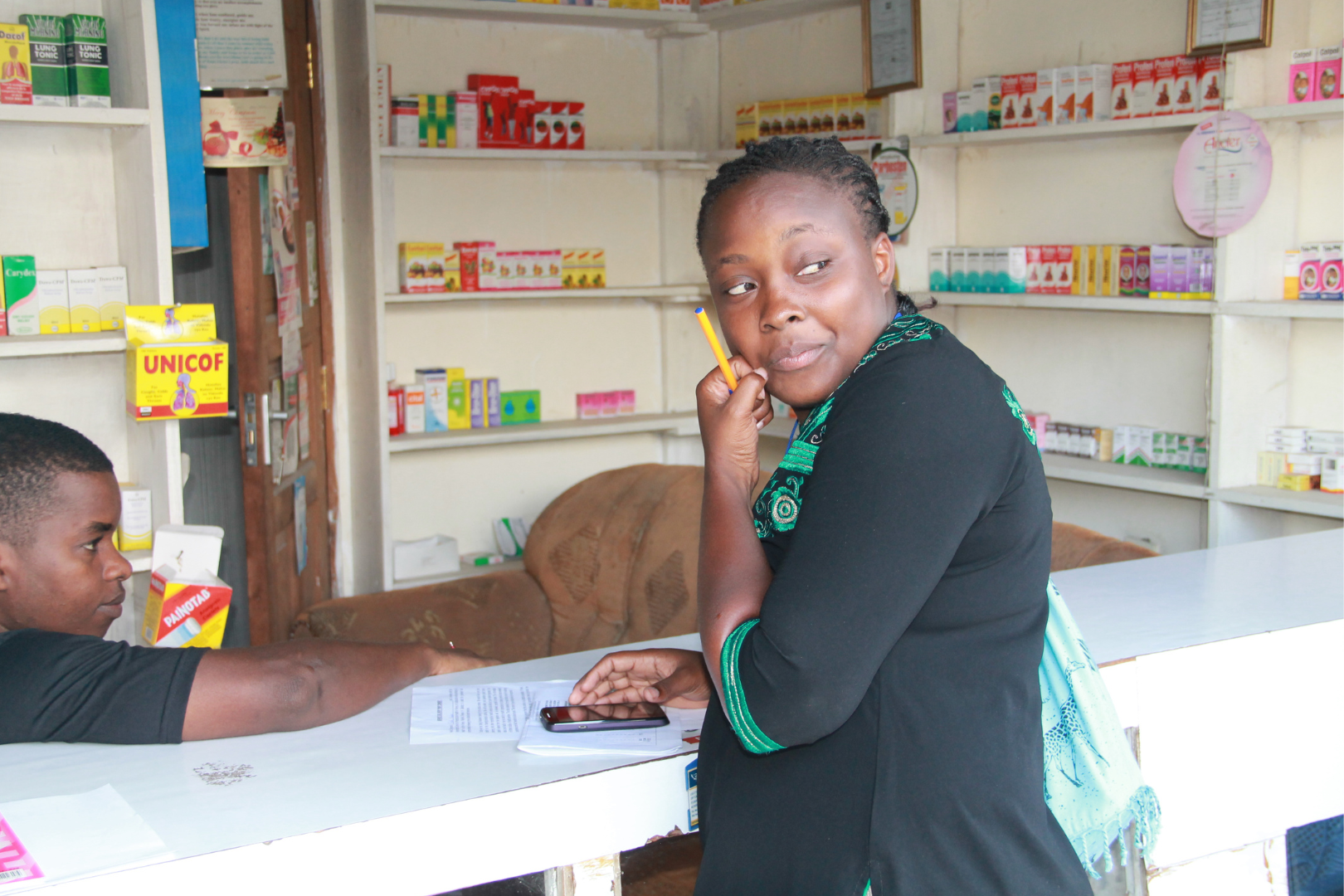
Unmet need for contraception is not a single problem: it conflates barriers to access with lack of demand for contraception. WHGI research showed that only about half of women classified as having unmet need intend to use contraception, highlighting intention to use as a critical distinction between unmet need and unmet demand.
Longitudinal evidence then showed that intention to use predicts contraceptive adoption better than traditional measures of unmet need.
Together, this work helped move the field toward unmet demand as a more actionable measure of where removing access barriers is most likely to change contraceptive use.
Progress also depends on who benefits from expanded access and whether those gains are resilient. WHGI research across 48 FP2030 countries has documented substantial improvements in contraceptive use alongside persistent socioeconomic inequalities.
The COVID-19 pandemic also showed why population-based longitudinal data matters: despite substantial disruptions to service delivery, PMA longitudinal surveys found contraceptive use was more resilient than service data and projections alone suggested. This work demonstrates the importance of measuring not only what health systems provide, but what happens to women themselves.
For women who do want contraception, access is only the first step. WHGI’s longitudinal research shows that method preferences change over time and that women who obtain their preferred method are more likely to continue using contraception. This makes quality of care central to contraceptive outcomes.
WHGI has developed and validated cross-cultural measures of person-centered counseling and shown that better counseling is associated with preferred method use, while dissatisfaction, inadequate counseling about side effects, and women’s experience of those effects can shape subsequent switching or discontinuation, ultimately informing the continuity of pregnancy protection.
What Comes Next
WHGI seeks to extend this agenda in three directions.
The first is defining what program success should look like as donor funding recedes and what new challenges family planning programs face as a result.
The second is treating continuity of pregnancy protection as an outcome in its own right and examining how it can be sustained across the full continuum of contraceptive care, from self-care and pharmacy access to counseling, resupply, switching, and provider-based services.
The third is developing new approaches to population monitoring in an era of more limited survey resources, integrating modeling with survey, routine health information and service data, to produce reliable estimates when frequent population-based surveys are no longer feasible.
Key Resources & Publications in This Area
Progress in reducing socioeconomic inequalities in the use of modern contraceptives in 48 focus countries as part of the FP2030 initiative between 1990 and 2020: a population-based analysis
Identifying what contraceptive side effects women are told about during counseling using nationally representative PMA Ethiopia 2019 cross-sectional data
Are Contraceptive Method Preferences Stable? Measuring Change in the Preferred Method among Kenyan Women
Predictive utility of key family planning indicators on dynamic contraceptive outcomes: Results from longitudinal surveys in Burkina Faso, Kenya, Uganda, and Côte d’Ivoire
Validation and Predictive Utility of a Person-Centered Quality of Contraceptive Counseling (QCC-10) Scale in Sub-Saharan Africa: A Multicountry Study of Family Planning Clients and a New Indicator for Measuring High-Quality, Rights-Based Care
Stop or Switch: Correlates of Stopping Use or Switching Contraceptive Methods While Wanting to Avoid Pregnancy in 48 Low- and Middle-Income Countries
Self-injected contraceptives: does the investment reflect women’s preferences?
Need for and use of contraception by women before and during COVID-19 in four sub-Saharan African geographies: results from population-based national or regional cohort surveys
Meet the WHGI Research Team
Institute Director | Professor
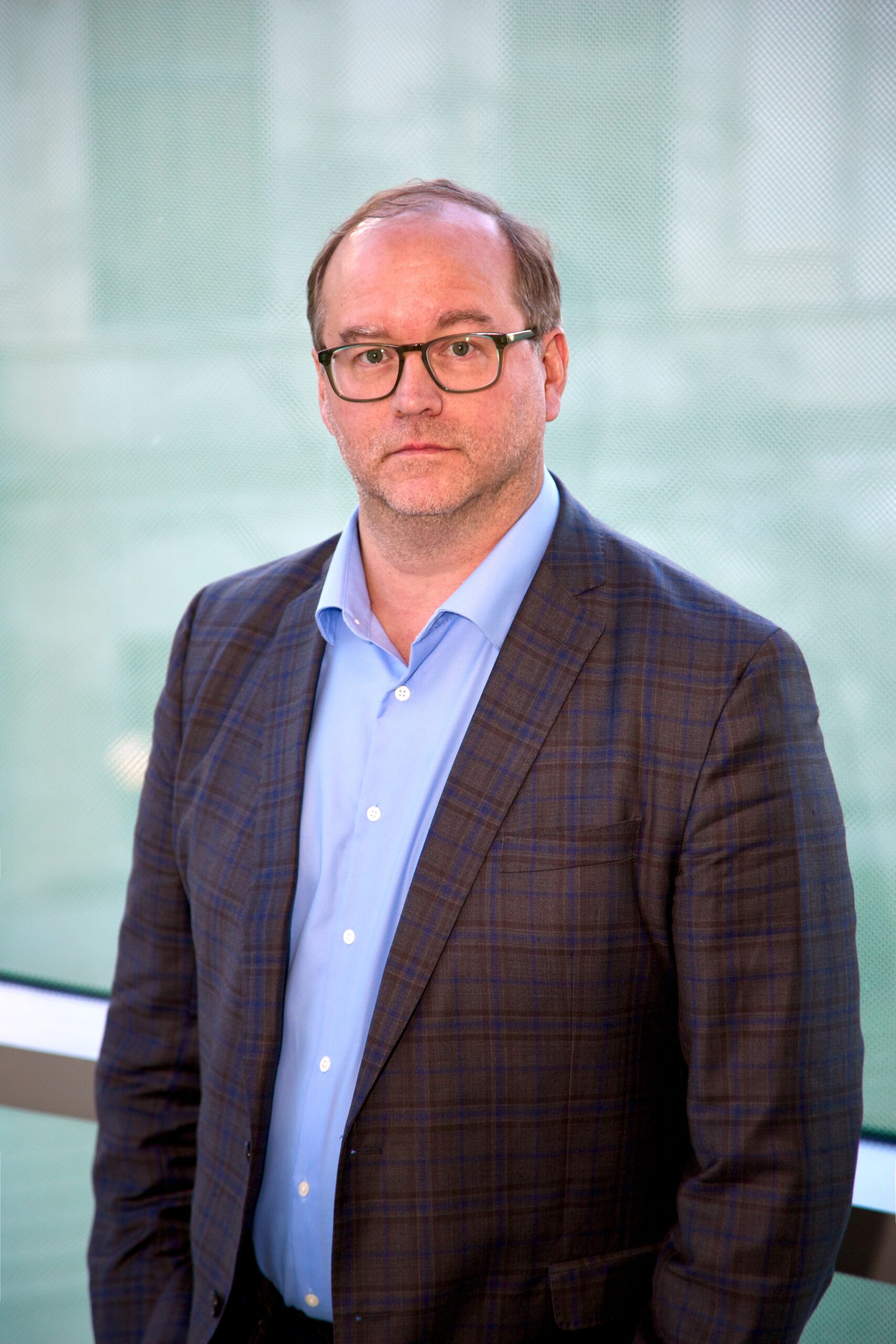
Dr. Philip Anglewicz is Director of the William H. Gates Sr. Institute for Population and Reproductive Health and Principal Investigator of the Performance Monitoring for Action Project.
Institute Director | Professor
Dr. Philip Anglewicz is Director of the William H. Gates Sr. Institute for Population and Reproductive Health and Principal Investigator of the Performance Monitoring for Action Project.

Professor and WHGI Research Director
Caroline Moreau is Professor at the Johns Hopkins Bloomberg School of Public Health, Senior Researcher at the French National Institute of Health and Medical Research (INSERM), and Research Director at the William H. Gates Sr. Institute for Population and Reproductive Health. Her work examines how gender, social class, race, and other forms of social inequality shape sexual and reproductive health across the life course.

Professor
Saifuddin Ahmed, MBBS, PhD, is a Professor at the Department of Population, Family and Reproductive Health, with a joint appointment in the Department of Biostatistics. His research interests include improving estimates of maternal mortality and morbidity in resource-poor settings, family planning modeling, and survey design and intervention evaluation.

Assistant Professor
Suzanne Bell, PhD, MPH, is an Assistant Professor in the Department of Population, Family and Reproductive Health at the Johns Hopkins University Bloomberg School of Public Health, where she received her PhD with a focus in demography.
Assistant Professor
Suzanne Bell, PhD, MPH, is an Assistant Professor in the Department of Population, Family and Reproductive Health at the Johns Hopkins University Bloomberg School of Public Health, where she received her PhD with a focus in demography.
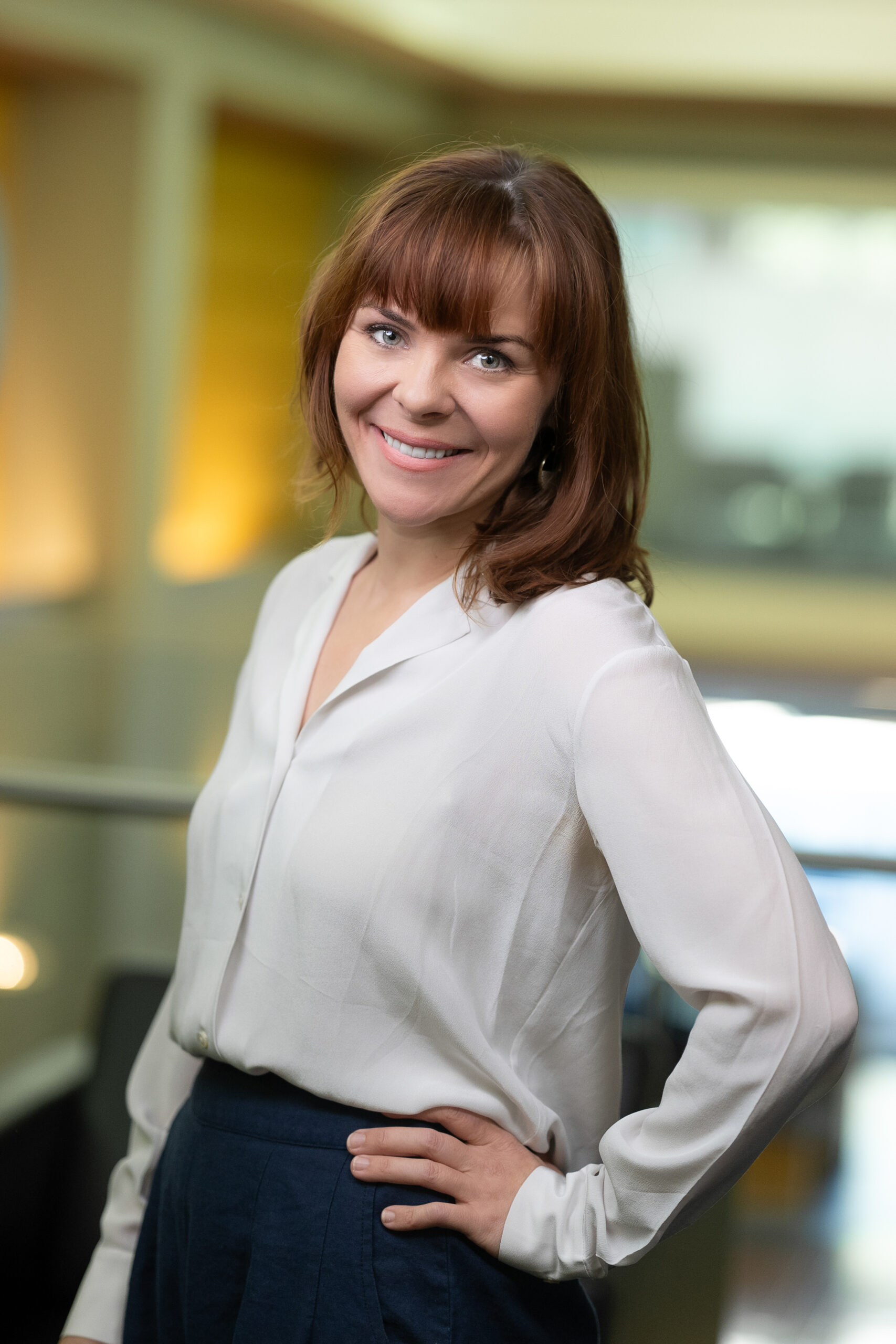
Principal Investigator | Associate Professor
Dr. Linnea Zimmerman has a PhD from the Department of Population, Family and Reproductive Health at the Johns Hopkins Bloomberg School of Public Health and a Masters in Public Health from Emory University. She has a background in demography and focuses on family planning and women's reproductive health research.
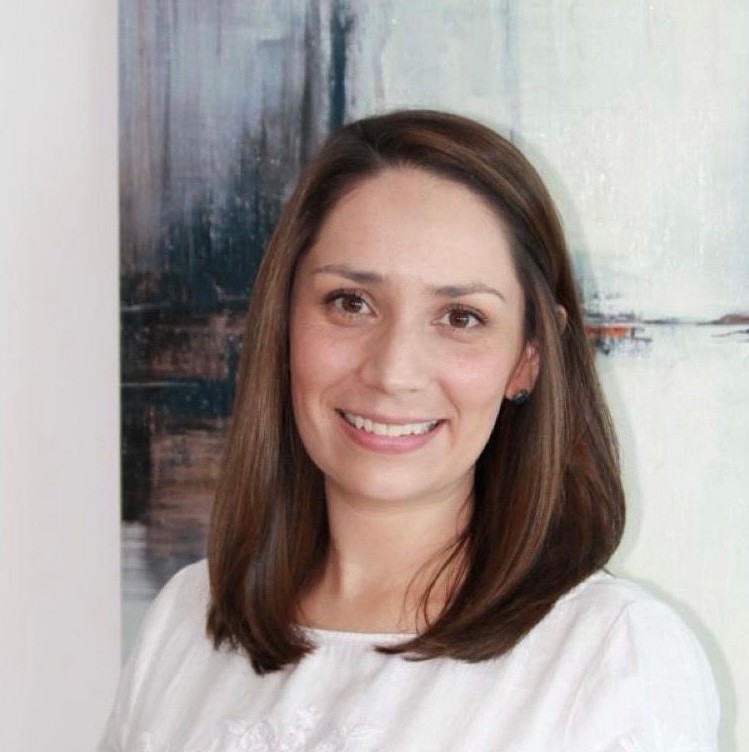
Assistant Scientist
Carolina Cardona is a health economist focused on understanding demographic processes and their effect on economic development. She is particularly interested in the influence of women’s sexual and reproductive health decisions on women’s roles in society and how they shape demographic transitions.

Assistant Professor
Celia Karp, PhD, is an Assistant Professor at the Johns Hopkins Bloomberg School of Public Health and a Senior Technical Advisor at the William H. Gates Institute. Her work focuses on reproductive health preferences, services, and outcomes.
Assistant Professor
Celia Karp, PhD, is an Assistant Professor at the Johns Hopkins Bloomberg School of Public Health and a Senior Technical Advisor at the William H. Gates Institute. Her work focuses on reproductive health preferences, services, and outcomes.

Assistant Scientist
Dr. Dana Sarnak studies the intersection of sexual and reproductive health and demography, particularly their intersection around fertility. Specifically, she studies how fertility preferences and contraception intentions influence contraceptive use dynamics in countries experiencing fertility transitions.
In addition to the above WHGI team members, the below individuals have contributed to this WHGI research area:
By the Numbers
Rounds of Population-based Data Collection
WHGI has conducted 71 rounds of population-based data collection across 11 countries in Africa and Asia, with more than 750,000 interviews conducted since PMA launched in 2013.
Public and Private Facilities Surveyed
PMA Agile has repeatedly surveyed nearly 2,300 public and private facilities with 48,610 client exit interviews across 14 urban settings.
Peer-reviewed Publications
WHGI has more than 80 peer-reviewed publications on contraceptive use, dynamics, preferences, quality of care, equity, and measurement
Want to know more?
Connect with Us
Learn more about WHGI's contraceptive dynamics and access work, access available data and publications, or connect with researchers to explore opportunities for collaboration.
Please send an email to gatesinstitute@jhu.edu with the subject line "Contraceptive Dynamics Research."