WHGI Research Area
Measurement & Evaluation
Strengthening how we measure impact, generate evidence, and inform programs and policy
WHGI is helping define the next generation of family planning and reproductive health measurement—asking not only whether people receive services, but whether they have meaningful choices, receive high-quality care, and can achieve the reproductive lives they want.
What We Study
Many experiences central to sexual and reproductive health and rights—from reproductive intentions and agency to quality of care, abortion and infertility—are difficult to measure across populations and cultures. The William H. Gates Sr. Institute for Population and Reproductive Health (WHGI) develops and validates measures that better reflect these experiences and the performance of the systems intended to support them.
Our research starts with how people themselves understand and describe their reproductive lives. We use qualitative research to inform new measures, then test and validate them across diverse populations and settings.
This work has helped advance more direct, person-centered measures of reproductive autonomy and agency, pregnancy intentions, contraceptive need and choice, quality of care, adolescent sexual and reproductive health, abortion and infertility.
Through Performance Monitoring for Action (PMA), WHGI can test measures at population level, compare them across countries, and follow reproductive experiences over time.
We also apply these approaches to program evaluation, combining population surveys, longitudinal research, qualitative methods and routine health information systems to understand not only whether programs work, but what changes, for whom and under what conditions.
Why it Matters
Measurement shapes how problems are defined, who becomes visible in the data and how success is determined. Established indicators such as contraceptive prevalence, unmet need, and demand satisfied remain important, but there is increased recognition that new measures are needed to capture more recent changes in family planning and reproductive health (FP/RH) around the world.
WHGI research has demonstrated why new measures are important. Contraceptive use can appear stable even as individuals start, stop and switch methods. Facility records can miss abortions that occur outside formal health systems. Traditional approaches can leave infertility poorly measured, while common proxies may fail to capture complex concepts such as reproductive empowerment. Longitudinal research has also shown that intention to use contraception can predict subsequent adoption better than conventional measures of unmet need.
Better measures can help governments, programs and communities identify inequities and needs that standard indicators miss, evaluate whether interventions are changing what matters to people, and direct resources toward the right problems.
Ultimately, the goal is a more person-centered and rights-based definition of progress: one that considers choice, preferences, quality, experience and people’s ability to achieve their reproductive goals.


What Comes Next
Looking ahead, WHGI sees an opportunity to make measurement and evaluation more adaptive, timely and closely connected to program learning.
One future direction is to combine population surveys more strategically with routine health information, facility data and modeling—making better use of existing data while identifying where new measurement would add the most value.
Over time, this could support a more continuous learning model for sexual and reproductive health (SRH): using available evidence to identify what is changing, where uncertainty remains, and where additional data are needed.
The longer-term goal is a measurement and evaluation system that is not only rigorous, but responsive to change and better able to inform decisions as they arise.
Key Resources & Publications in This Area
Impact of The Challenge Initiative on Public-Sector Family Planning Service Provision in Pakistan: Evidence from a Difference-in-Differences Analysis
Measuring “Intent Satisfied”: Toward a Person-Centered Metric of Contraceptive Use
Measuring non-events: infertility estimation using cross-sectional, population-based data from four countries in sub-Saharan Africa
Evaluation of the London Measure of Unplanned Pregnancy (LMUP) among a nationally representative sample of pregnant and postpartum women in Ethiopia
Characteristics Associated with Reliability in Reporting of Contraceptive Use: Assessing the Reliability of the Contraceptive Calendar in Seven Countries
Social network-based measurement of abortion incidence: promising findings from population-based surveys in Nigeria, Côte d’Ivoire, and Rajasthan, India
Measurement of abortion safety using community-based surveys: Findings from three countries
Measuring family planning quality and its link with contraceptive use in public facilities in Burkina Faso, Ethiopia, Kenya and Uganda
Meet the WHGI Research Team
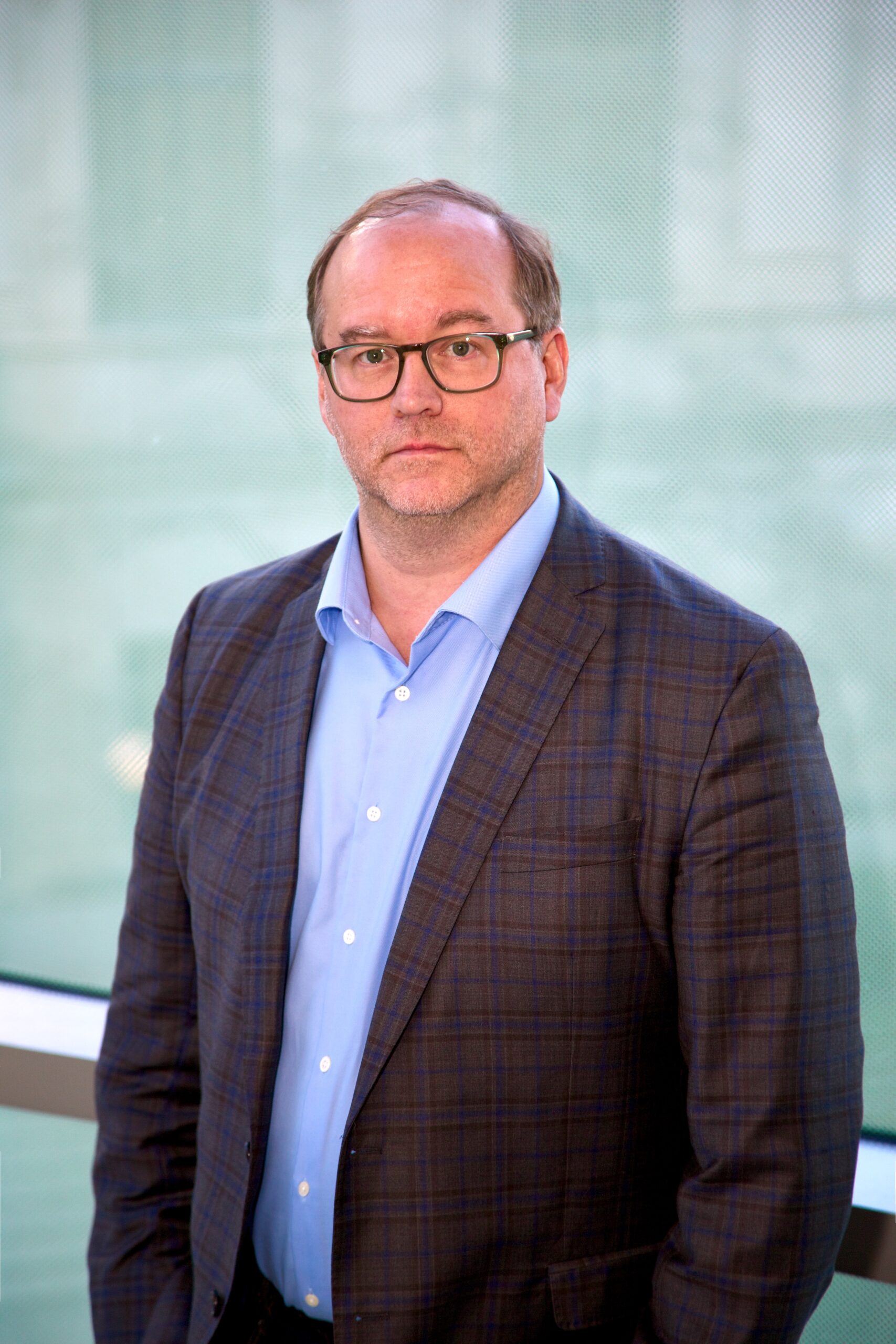
Institute Director | Professor
Dr. Philip Anglewicz is Director of the William H. Gates Sr. Institute for Population and Reproductive Health and Principal Investigator of the Performance Monitoring for Action Project.
Institute Director | Professor
Dr. Philip Anglewicz is Director of the William H. Gates Sr. Institute for Population and Reproductive Health and Principal Investigator of the Performance Monitoring for Action Project.

Professor and WHGI Research Director
Caroline Moreau is Professor at the Johns Hopkins Bloomberg School of Public Health, Senior Researcher at the French National Institute of Health and Medical Research (INSERM), and Research Director at the William H. Gates Sr. Institute for Population and Reproductive Health. Her work examines how gender, social class, race, and other forms of social inequality shape sexual and reproductive health across the life course.
Professor and WHGI Research Director
Caroline Moreau is Professor at the Johns Hopkins Bloomberg School of Public Health, Senior Researcher at the French National Institute of Health and Medical Research (INSERM), and Research Director at the William H. Gates Sr. Institute for Population and Reproductive Health. Her work examines how gender, social class, race, and other forms of social inequality shape sexual and reproductive health across the life course.
News on Measurement and Evaluation
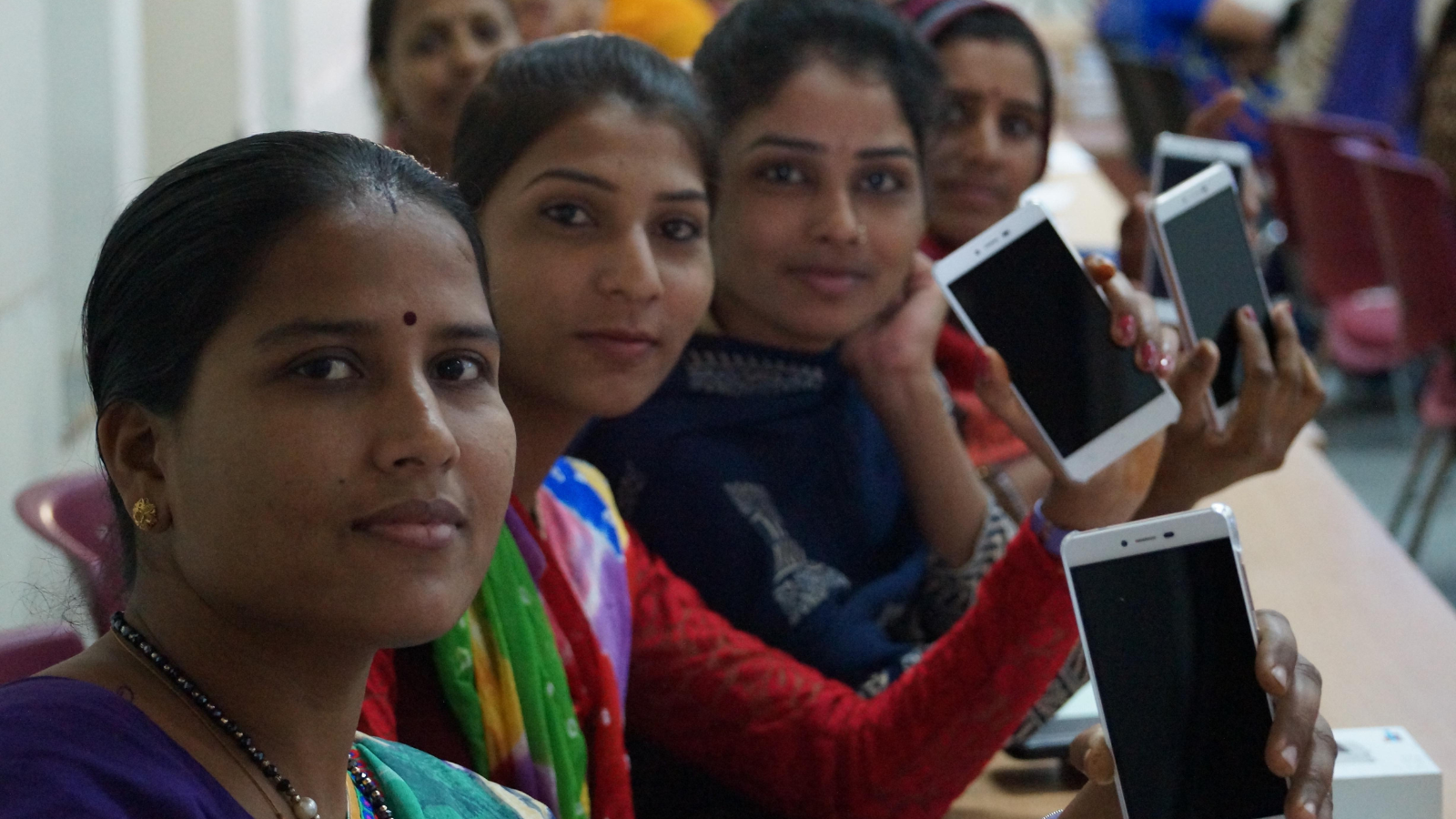
The Future of Global Health Data: Why Innovation in Surveys Matters More Than Ever
As global health funding shifts and major survey programs face an uncertain future, PMA is demonstrating how innovative survey design, local partnerships, and AI-ready approaches can strengthen global health data. Learn how PMA is shaping the future of evidence generation to inform policies, improve reproductive health, and advance health equity worldwide.
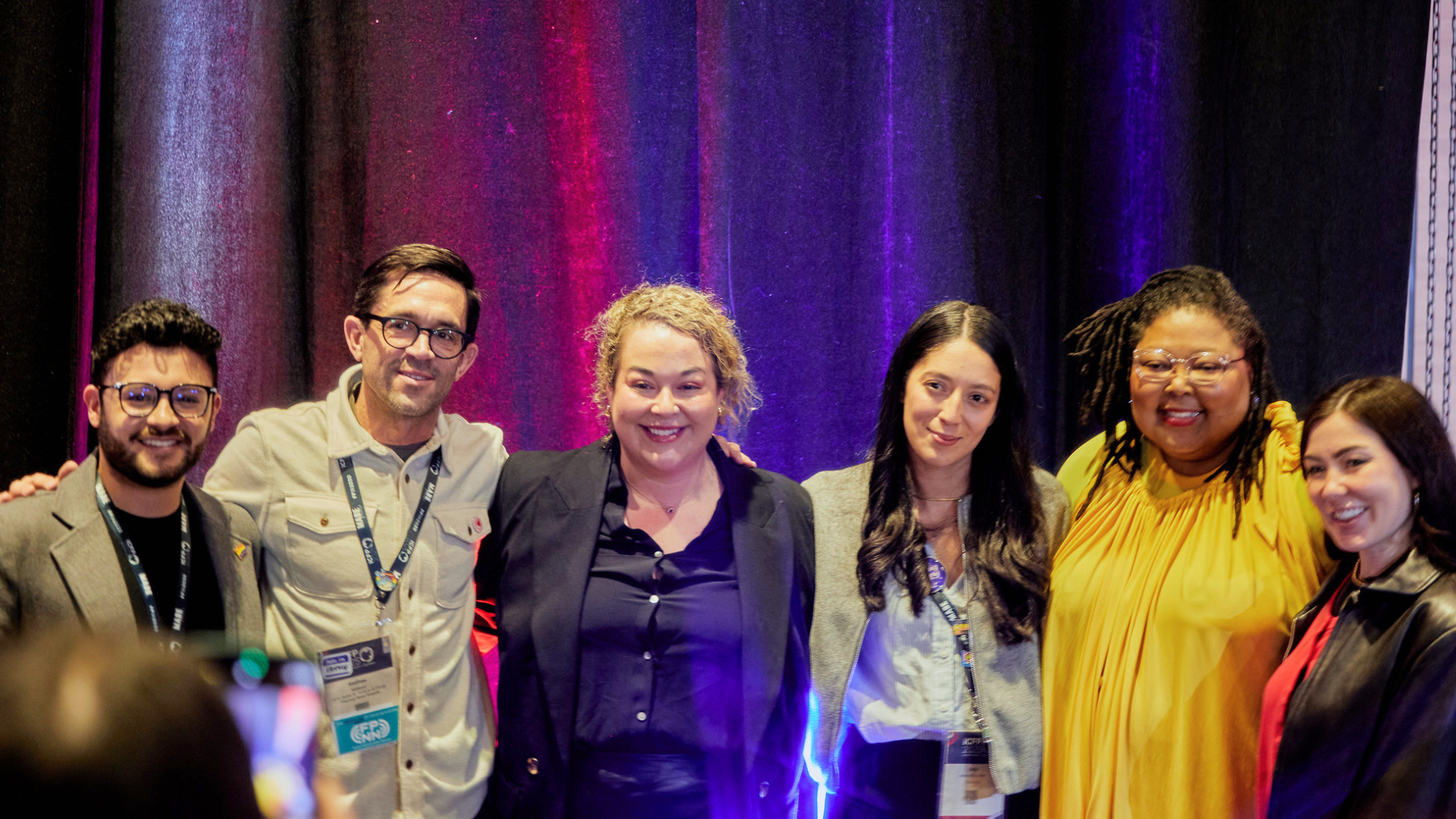
Where to Find WHGI Faculty & Staff at ICFP 2025
Faculty and researchers from the William H. Gates Sr. Institute are sharing groundbreaking work at the 2025 International Conference on Family Planning (ICFP) in Bogotá, Colombia.
Gates Institute at PAA 2025: Advancing the Science of Reproductive Health and Family Planning
We’re proud to share that faculty, researchers, and partners from the Department of Population, Family and Reproductive Health (PFRH) and W. H. Gates Sr. Institute for Population and Reproductive Health will present their latest findings at the Population Association of America (PAA) 2025 Annual Meeting.
Want to know more?
Connect with Us
Learn more about WHGI's measurement and evaluation work, access available data and publications, or connect with researchers to explore opportunities for collaboration.
Please send an email to gatesinstitute@jhu.edu with the subject line "Research."