WHGI Research Area
Women’s Empowerment & Reproductive Coercion
Addressing intimate partner violence and reproductive coercion to protect decision-making, safety, and access to care
WHGI has helped redefine how sexual and reproductive health empowerment is measured by developing a theoretically grounded, cross-cultural tool that captures whether women can make and act on decisions about sex, contraception, and childbearing.
What We Study
This research area is rooted in a simple but important concern: many existing measures of empowerment do not fully capture whether women are able to make and act on fundamental sexual and reproductive health (SRH) decisions in their daily lives.
Too often, empowerment has been measured through broad proxy indicators such as educational attainment, household wealth, or family decision-making. While these factors matter, they do not reveal whether women have control over intimate SRH decisions.
The William H. Gates Sr. Institute for Population and Reproductive Health's (WHGI) major contribution has been to move the field toward a domain-specific measure centered on these decisions.
A central innovation has been the Women’s and Girls’ Empowerment in Sexual and Reproductive Health (WGE-SRH) Index, which distinguishes between sexual empowerment and contraceptive empowerment and is grounded in a framework that captures both the existence of choice and the exercise of choice.
Developed from women’s own words and experiences across diverse settings in sub-Saharan Africa, including Ethiopia, Uganda, and Northern and Southern Nigeria, and validated among more than 13,000 women across eight countries through the Performance Monitoring for Action (PMA) platform, the index provides a more precise and policy-relevant way to assess empowerment in relation to SRH.
Why it Matters
This work is scientifically important because it shows that empowerment is not a single trait and cannot be inferred from general socioeconomic status alone.
Findings show that women are often more able to influence contraceptive decisions than sexual decisions, and that empowerment varies across settings, between women, and within women’s lives over time.
Globally, this matters because programs and policies need better measures to identify where women face constraints, monitor change, and understand how empowerment shapes health outcomes.
What Comes Next
WHGI is now pushing the field into new territory by examining how women’s and girls’ SRH empowerment changes over time, for whom, and under what conditions.
Current questions include why some women gain greater control over their sexual and reproductive lives while others lose it; whether stronger empowerment leads to better health outcomes; how men and couple dynamics support or constrain women’s SRH empowerment; and how SRH empowerment and economic empowerment reinforce one another over time.
Using the longitudinal strengths of PMA, WHGI is helping move the field beyond documenting whether empowerment matters to showing how it changes, what drives it, and how programs can strengthen it in practical, measurable ways.
Key Resources & Publications
Women’s and girls’ sexual empowerment differs by geographical context: a population-based validation study
Evaluating Contraceptive Empowerment Among Women and Girls in Sub-Saharan Africa: Validation of the Women’s and Girls’ Empowerment in Sexual and Reproductive Health (WGE-SRH) Index Contraceptive Empowerment Subscale
Reconceptualizing Women’s and Girls’ Empowerment: A Cross-Cultural Index for Measuring Progress Toward Improved Sexual and Reproductive Health
“You better use the safer one… leave this one”: the role of health providers in women’s pursuit of their preferred family planning methods
Covert use of contraception in three sub-Saharan African countries: a qualitative exploration of motivations and challenges
‘I am the master key that opens and locks’: Presentation and application of a conceptual framework for women’s and girls’ empowerment in reproductive health
A sexual and reproductive empowerment framework to explore volitional sex in sub-Saharan Africa
Meet the WHGI Research Team
Professor and WHGI Research Director
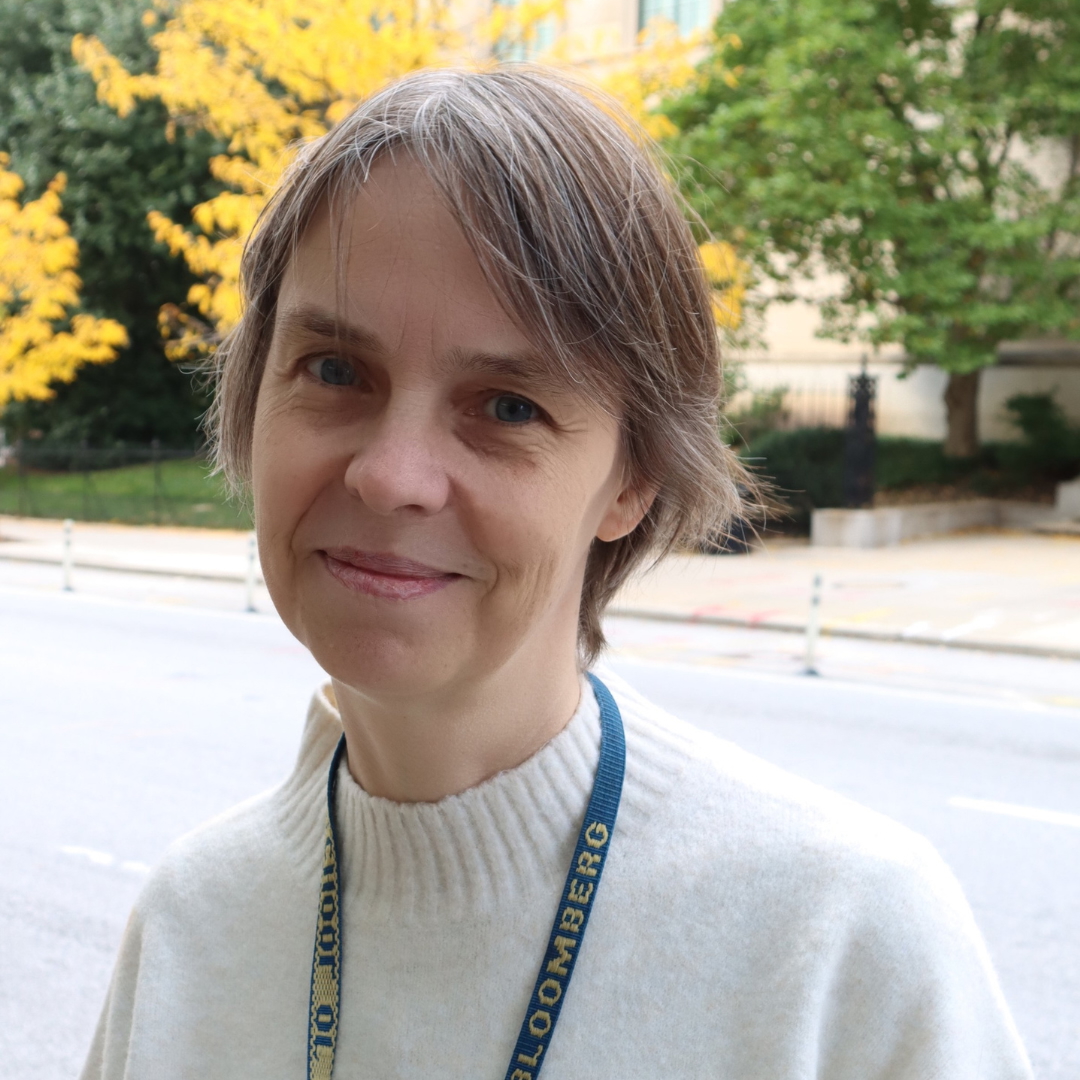
Caroline Moreau is Professor at the Johns Hopkins Bloomberg School of Public Health, Senior Researcher at the French National Institute of Health and Medical Research (INSERM), and Research Director at the William H. Gates Sr. Institute for Population and Reproductive Health. Her work examines how gender, social class, race, and other forms of social inequality shape sexual and reproductive health across the life course.
Professor and WHGI Research Director
Caroline Moreau is Professor at the Johns Hopkins Bloomberg School of Public Health, Senior Researcher at the French National Institute of Health and Medical Research (INSERM), and Research Director at the William H. Gates Sr. Institute for Population and Reproductive Health. Her work examines how gender, social class, race, and other forms of social inequality shape sexual and reproductive health across the life course.
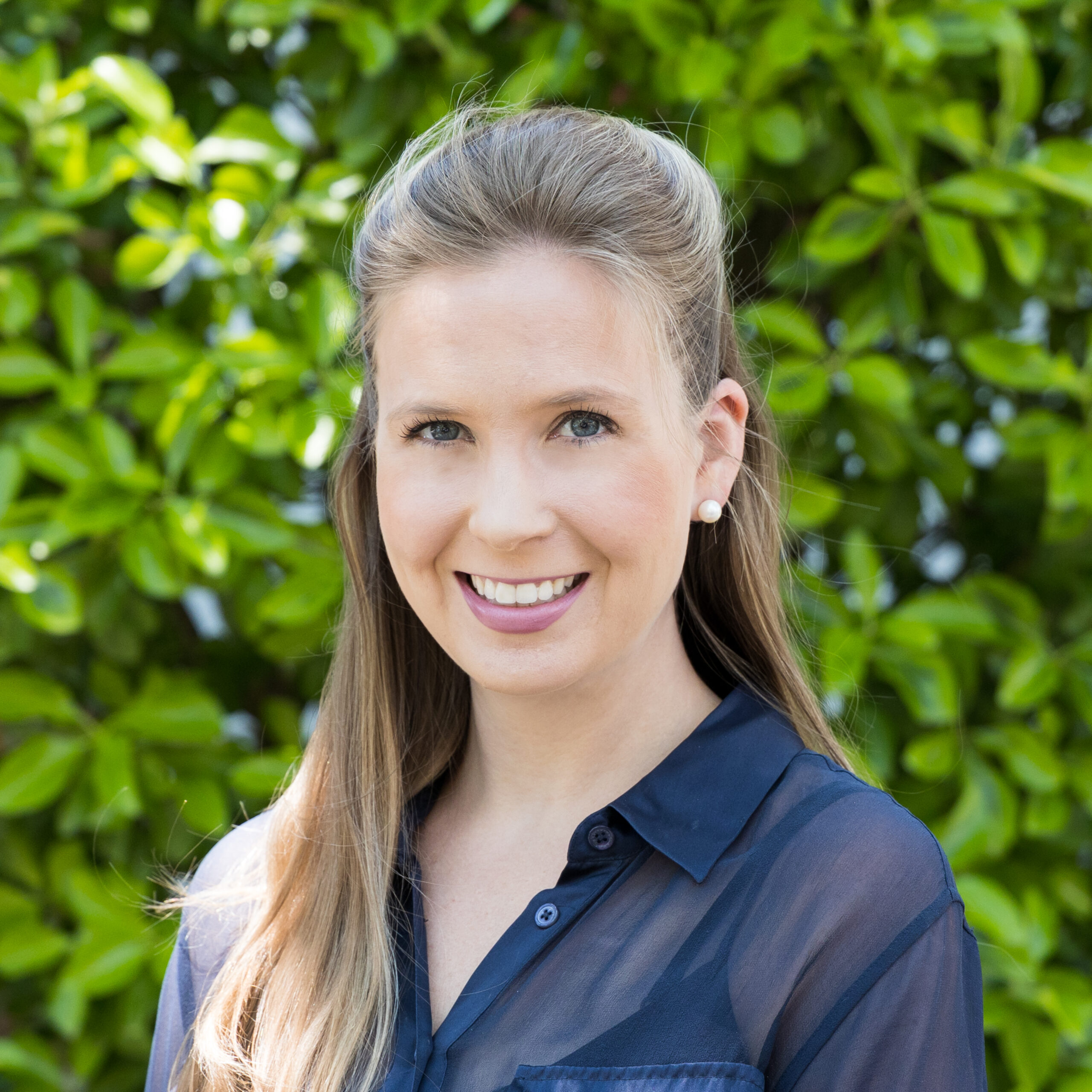
Assistant Professor
Dr. Shannon N. Wood's research focuses on the intersection between social determinants of women’s health, most notably gender-based violence, and adverse reproductive and sexual health outcomes.
Assistant Professor
Dr. Shannon N. Wood's research focuses on the intersection between social determinants of women’s health, most notably gender-based violence, and adverse reproductive and sexual health outcomes.

Assistant Professor
Celia Karp, PhD, is an Assistant Professor at the Johns Hopkins Bloomberg School of Public Health and a Senior Technical Advisor at the William H. Gates Institute. Her work focuses on reproductive health preferences, services, and outcomes.
Assistant Professor
Celia Karp, PhD, is an Assistant Professor at the Johns Hopkins Bloomberg School of Public Health and a Senior Technical Advisor at the William H. Gates Institute. Her work focuses on reproductive health preferences, services, and outcomes.
By the Numbers
Countries
WHGI is involved in research activities related to women’s empowerment & reproductive coercion in eight countries across Africa and Asia: Burkina Faso, Côte d’Ivoire, Democratic Republic of Congo, Ethiopia, Ghana, India, Indonesia, Kenya, Niger, Nigeria, and Uganda.
Years of Data
So far, WHGI has compiled five years worth of data—from 2014 to 2019—related to gender, agency, and empowerment.
Want to know more?
Connect with Us
Learn more about WHGI's women’s empowerment and reproductive coercion work, access available data and publications, or connect with researchers to explore opportunities for collaboration.
Please send an email to gatesinstitute@jhu.edu with the subject line "Research."