
About the W. H. Gates Sr. Institute
What We Do
Founded with the mission of Scholarship and Science for Social Change, the William H. Gates Sr. Institute has been a trailblazer for innovation in the fields of family planning, reproductive health, and population dynamics for over 25 years.
The Institute features a dynamic, innovative working environment, with opportunities to work with leaders in research, advocacy, and programs, both established and emerging; to contribute at a high level to sustainable, positive change for women and men, communities, and countries.
We cultivate new ways of thinking and doing to amplify locally led change. Together with local partners, we identify and act on ideas with the greatest promise to advance universal, equitable access to sexual and reproductive health and rights (SRHR).
A Global Leader in Family Planning
In 1997, a two-year planning grant from what would become the Bill & Melinda Gates Foundation spawned an institute at the Johns Hopkins Bloomberg School of Public Health (JHBSPH) to build population and reproductive health capacity in the developing world.
In 1999 the Gates Foundation provided an additional $20 million to establish the William H. Gates Sr. Institute for Population and Reproductive Health (formerly Bill & Melinda Gates Institute for Population and Reproductive Health) at JHSPH, capitalizing on the school’s global public health leadership.
Over the last two decades, the Institute has worked with more than 200 partners of which over 90% are southern-based. The Institute has grown to become the home of innovative thinking and a global leader in revitalizing reproductive health and gender equality on national and international policy and research agendas.
Scholarship and science for social change.
Throughout the Institute’s history our tagline has remained its guide: scholarship and science for social change.
The William H. Gates Sr. Institute for Population and Reproductive Health launched in 1999 in response to a global need for investments in effective family planning and reproductive health programs and research efforts. Building on the Bloomberg School’s global public health leadership, the Institute’s work translates science into action with programs in 27 countries.
Two decades later, the Institute celebrates progress to date and forges new commitments to increase access to family planning and to improve reproductive health for women and men, communities and countries across the world.
Preparing for the NextGen
The Institute has continued to build upon an essential pillar of our work by identifying, encouraging and preparing this next generation of family planning and reproductive health leaders.
The Institute works collaboratively with partner institutions to build scientific and programmatic leadership skills by conducting research to benefit communities, promote evidence-based reproductive health policies, and strengthen both health governance and technical capacities.
The Institute is dedicated to strengthening the capacity of individuals and institutions in low- and middle-income countries to address the countries’ population development and reproductive health needs.
Institute Global Programs
Cross-cutting Gender Equity ↗
rooted in our intersectional approach to global health
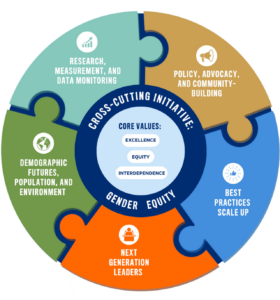
Research, Measurement, AND Data Monitoring ↗
driving the global family planning agenda forward
Demographic Futures, Population, AND Environment ↗
projections of climate and population change
Policy, Advocacy, AND Community-building ↗
prioritizing country-led collaborations

Next Generation Leaders ↗
cultivating the next generation of SRHR and gender equity experts

Best Practices Scale Up ↗
committed to locally-led and resourced SRHR programs

INSTITUTE PLATFORMS
The Challenge Initiative

Demographic Dividend
Performance Monitoring for Action

International Conference on Family Planning
SMART Advocacy
AYSRHR Global Roadmap for Action
120 Under 40: Next Generation of Family Planning Leaders
PFRH Summer Institute in Data to Policy
Family Planning News Network
Advance Family Planning
Global Health Leadership Accelerator
Reproductive Health Centers of Excellence
Institute HEADLINES
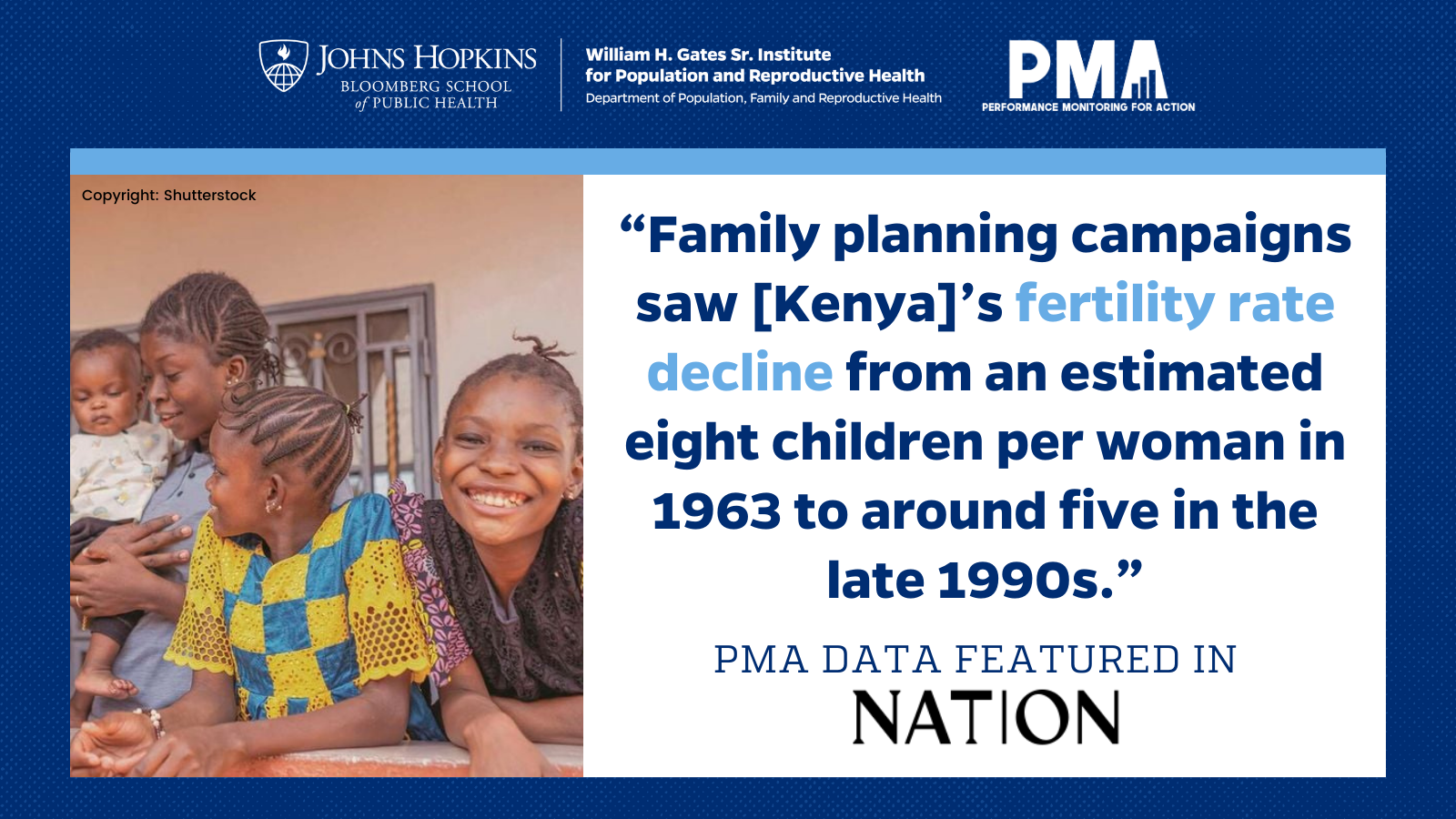
PMA Data Featured in the Nation by FPNN Fellow and ICFP EXCELL Awardee Angela Okech
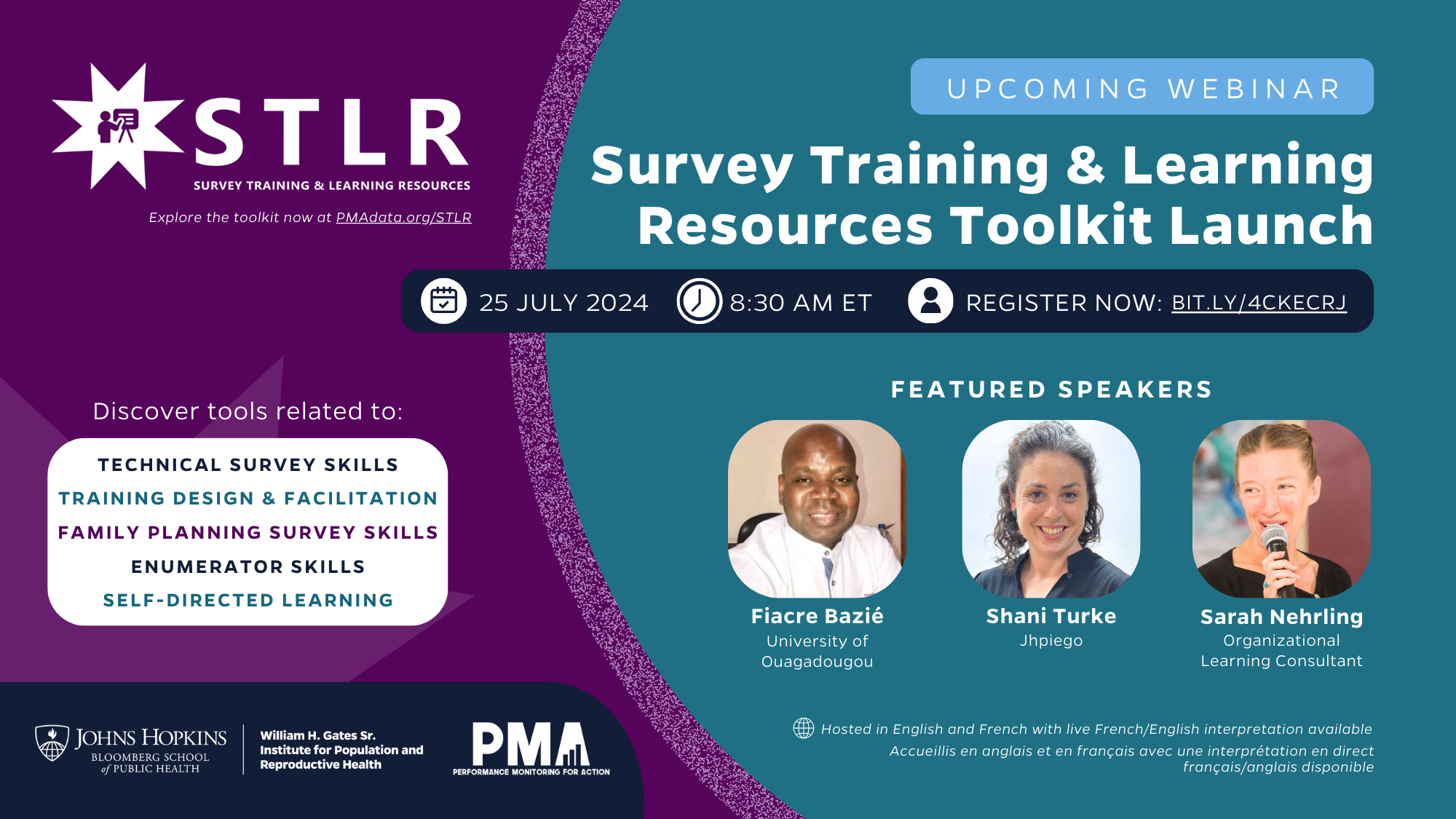
Upcoming Webinar: PMA’s Survey Training & Learning Resources Toolkit Launch
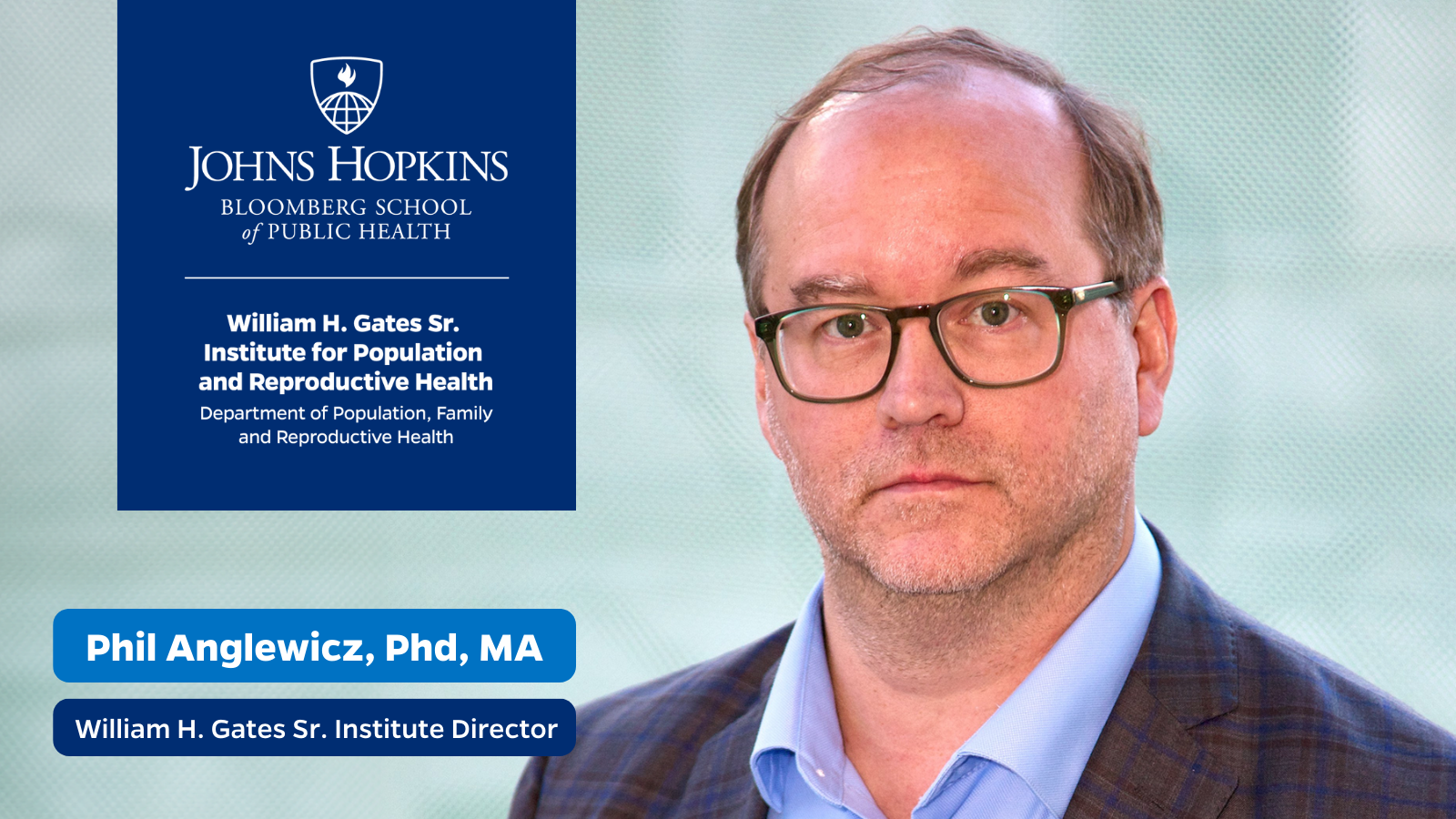
Welcome Dr. Phil Anglewicz: WHGI’s New Leadership for Continued Innovation and Impact
Celebrating Advocacy Successes: Advance Family Planning’s Results Snapshot Now Available
Institute Resources
Receive
Updates ↗
Subscribe to our monthly Positive Disruptions
Explore Resources ↗
Explore the Institute’s Research and Publications
Contact
Us ↗
Learn more about any of our global programs and platforms