WHGI Research Area
Adolescent Sexual and Reproductive Health
Measuring the knowledge, norms, and relationships that shape adolescent sexual and reproductive well-being
WHGI is building the evidence base on adolescent sexual and reproductive health in low-resource settings, measuring not only fertility and contraceptive use but the knowledge, relationships, and autonomy that shape whether young people are ready for the decisions ahead of them.
What We Study
As the world's largest-ever adolescent population comes of age amid a declining global financing of sexual and reproductive health (SRH), decisions about scarce resources must be grounded in evidence.
The William H. Gates Sr. Institute for Population and Reproductive Health (WHGI) advances adolescent SRH research in low-resource settings by generating actionable data to help governments, donors, and practitioners understand what adolescents need during this critical period of development.
Our research goes beyond fertility and contraceptive use to examine the knowledge, relationships, social environments, and opportunities that shape healthy sexuality and reproductive well-being across the life course.
Demographic indicators alone do not capture whether adolescents have the knowledge, support, and confidence to make informed decisions about their sexual and reproductive health. To address this gap, WHGI developed an adolescent SRH measurement toolkit covering contraceptive knowledge, stigma, communication, autonomy, and sexual and contraceptive experiences.
Through Performance Monitoring for Action (PMA), the toolkit includes a network-based approach to reduce the underreporting of premarital sex, and a measure of "sexual readiness" assessing whether first sex involved autonomy, right timing, mutual willingness, and contraceptive protection. Increasingly, WHGI is following adolescents over time, to understand how their experiences and needs evolve across different settings in Africa.
WHGI also connects evidence with implementation. Though The Challenge Initiative (TCI), research and global evidence on promising and proven approaches inform locally led efforts to improve adolescent and youth access to contraception in urban slums. TCI supports local governments to adapt, finance, and implement these approaches and to use routine health information system data to guide local strategies, track progress, and strengthen program performance.
Why it Matters
WHGI's data reveal wide variation between and within countries related to child marriage, adolescent fertility, contraceptive use and the circumstances surrounding sexual initiation.
For example, in Rajasthan, India, only one in four girls met all criteria for sexual readiness—a pattern that holds across PMA settings even past age 18. School-based family planning education more than doubled the likelihood of readiness, yet such programs continue to reach few adolescents globally.
PMA longitudinal research also demonstrate why adolescent SRH must be measured during crises rather than inferred. During the COVID-19 pandemic, adolescents and young women in Nairobi experienced more unintended pregnancies alongside widespread difficulty obtaining menstrual health products, while contraception use was strongly protective against pregnancy.
National panel studies in Kenya and Burkina Faso, however, found that many adolescent SRH indicators remained largely stable throughout the pandemic. These contrasting findings show that large-scale shocks do not affect all adolescents or settings in the same way. Rather than relying on assumptions, governments and partners need timely, high-quality data to understand where adolescents are most affected and how best to respond.
By measuring autonomy, norms, relationships, and multiple dimensions of sexuality development alongside conventional outcomes, WHGI helps decision makers identify where adolescents are being left behind, design more responsive programs, and support healthier transitions into adulthood.
What Comes Next
WHGI is extending this agenda in two directions.
In partnership with the Global Early Adolescent Study (GEAS), WHGI is adapting its SRH measures for ages 10–14, when gender norms, relationships, bodily changes, and expectations about sexuality begin to take shape. A population-based survey among girls ages 10–14 in Ethiopia is laying the groundwork for understanding SRH competencies before—not just after—sexual debut.
Looking ahead, WHGI will use TCI as a platform to develop and test innovative programmatic solutions that respond to young people’s evolving SRH needs.
Key Resources & Publications in This Area
Meet the WHGI Research Team
In addition to the above WHGI team members, the below individuals have contributed to this WHGI research area:
By the Numbers
Rounds of Population-based Data Collection
WHGI has conducted 71 rounds of population-based data collection across 11 countries in Africa and Asia, with more than 750,000 interviews conducted since PMA launched in 2013.
Public and Private Facilities Surveyed
PMA Agile has repeatedly surveyed nearly 2,300 public and private facilities with 48,610 client exit interviews across 14 urban settings.
Peer-reviewed Publications
WHGI has more than 80 peer-reviewed publications on contraceptive use, dynamics, preferences, quality of care, equity, and measurement
News on Adolescent Sexual and Reproductive Health
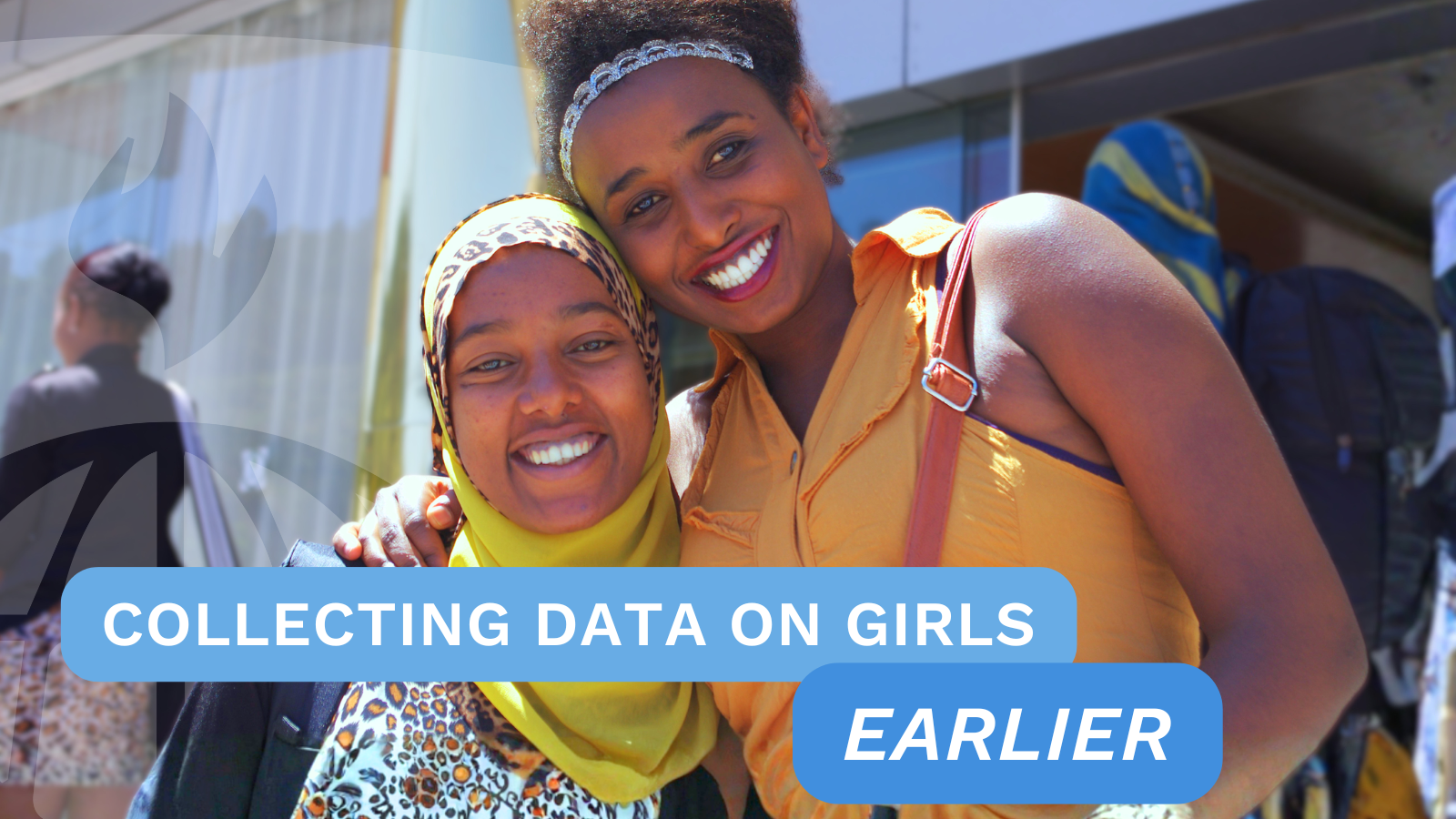
Global Health Surveys Start at 15. Girls’ Sexual Development Starts Long Before.
New research explores early adolescence and why collecting data before age 15 matters for girls’ sexual and reproductive health.


W. H. Gates Sr. Institute Hosts Inaugural Youth-Powered Global Health Leadership and Advocacy Accelerator in Lilongwe, Malawi
The William H. Gates Sr. Institute for Population and Reproductive Health hosted a Global Health Leadership and Advocacy Accelerator (GHLAA) designed specifically for East African participants.
Want to know more?
Connect with Us
Learn more about WHGI's adolescent sexual and reproductive health work, access available data and publications, or connect with researchers to explore opportunities for collaboration.
Please send an email to gatesinstitute@jhu.edu with the subject line "ASRH Research."