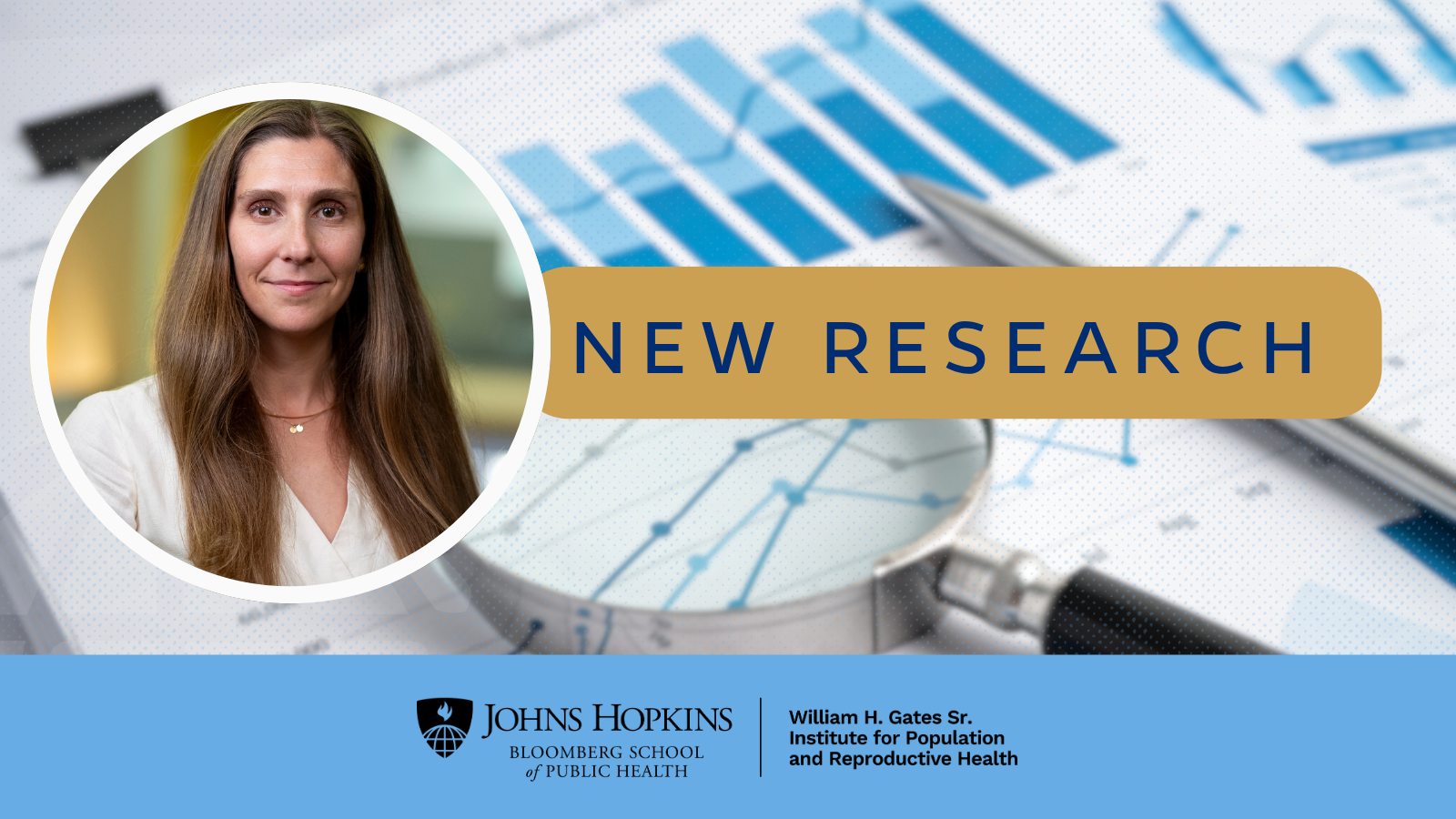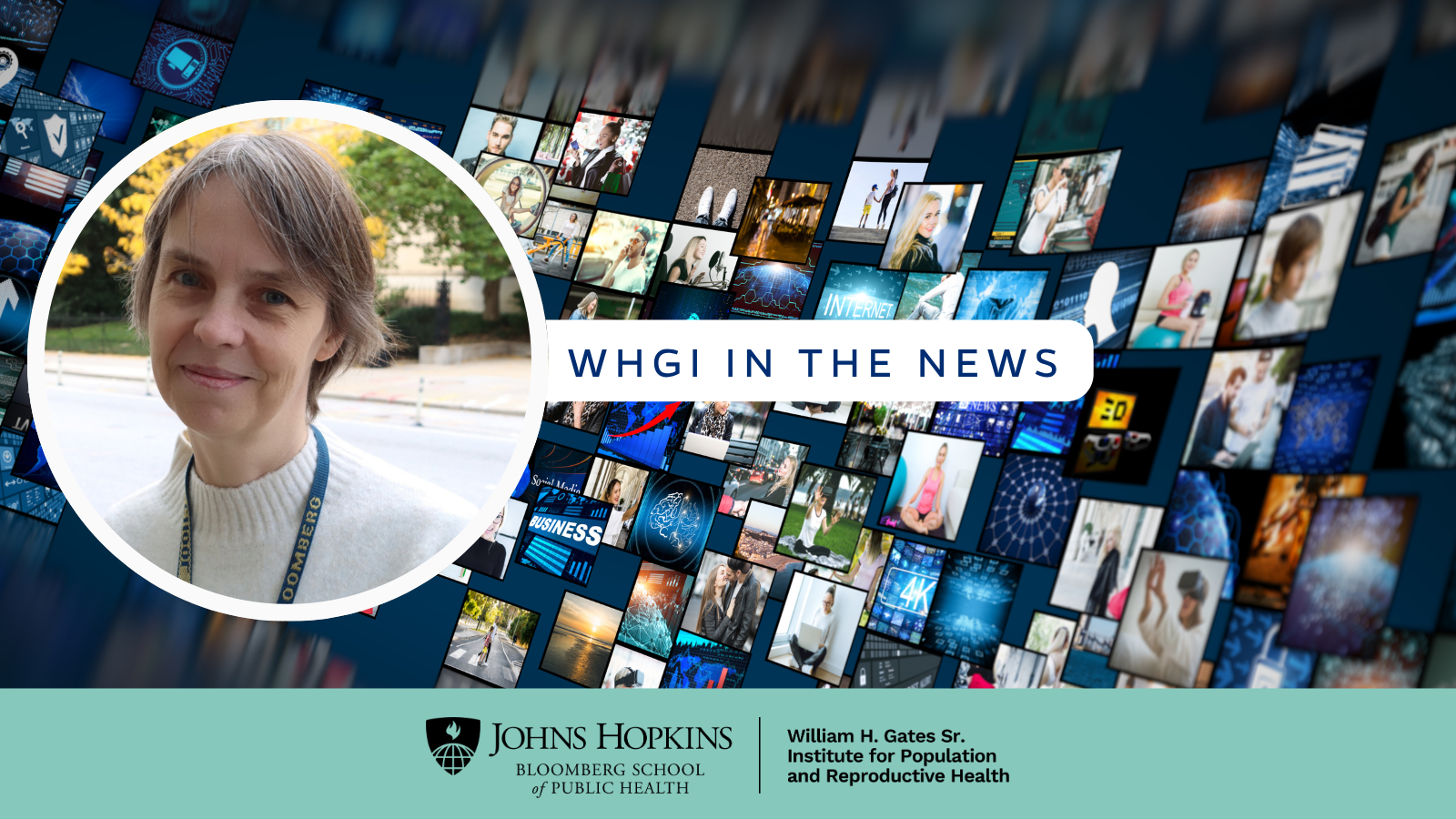
In an interview with the French newspaper Libération, William H. Gates Sr. Institute for Population and Reproductive Health (WHGI) Director of Research and Professor at the Department of Population, Family, and Reproductive Health, Dr. Caroline Moreau discussed new national research revealing major shifts in contraceptive use in France.
The study, co-led by Dr. Moreau found that the contraceptive pill is no longer the most commonly used contraceptive method in France. Use of the pill has dropped significantly—from 56% of women in 2000 to 26.6% in 2023—while use of intrauterine devices (IUDs) and other long-acting methods has increased.
In the interview, Professor Moreau explained that growing interest in long-acting and non-hormonal methods reflects changing attitudes toward reproductive health, bodily autonomy, and informed choice. Natural methods now account for about 8% of contraceptive use among women in heterosexual relationships, with menstrual tracking applications gaining traction among women interested in non-hormonal methods and greater control over their reproductive health.

It is essential that every woman be able to make an informed choice about preventing unintended pregnancy.
Reflection of Greater Contraceptive Choice
Dr. Moreau emphasized that these evolving contraceptive trends should not be viewed simply as a rejection of hormonal contraception, but as part of a broader shift toward diversified contraceptive choice and patient-centered decision-making.
At the same time, she noted that growing skepticism around hormonal contraception has shaped public conversations about reproductive health in France. “We must support these changes without giving in to alarmist discourse around hormones,” Dr. Moreau said in the interview.
Dr. Moreau also highlighted the importance of ensuring that women have access to accurate information about the full range of contraceptive options, while continuing to address inequities in access to reproductive healthcare. "It is essential that every woman be able to make an informed choice about preventing unintended pregnancy,” she said.