A new study suggests a possible link between U.S. abortion bans and increase in deaths during or within one year of pregnancy.
The study, co-led by Suzanne Bell, PhD, MPH, WHGI faculty member and Associate Professor at the Johns Hopkins Bloomberg School of Public Health, and Alison Gemmill, PhD, MPH, Associate Professor of Epidemiology at the UCLA School of Public Health, analyzed national vital statistics data from 2016 to 2023.
Researchers examined trends in maternal, pregnancy-related, and pregnancy-associated mortality across 14 states that had implemented complete or six-week abortion bans by the end of 2022.
As abortion restrictions have expanded across the country following the Supreme Court’s 2022 Dobbs decision, public health researchers have worked to better understand the effects of these policies on population health. WHGI continues to contribute to this and other conversations on abortion by generating evidence on the impact of abortion bans on fertility and infant mortality in the U.S., and abortion access, safety, and quality of care in low-resource settings.
Study Findings on Abortion Bans and Mortality
The findings of the study suggest that abortion bans may be associated with increases in pregnancy-associated and pregnancy-related mortality, although the rarity of these outcomes and data limitations introduce uncertainty.
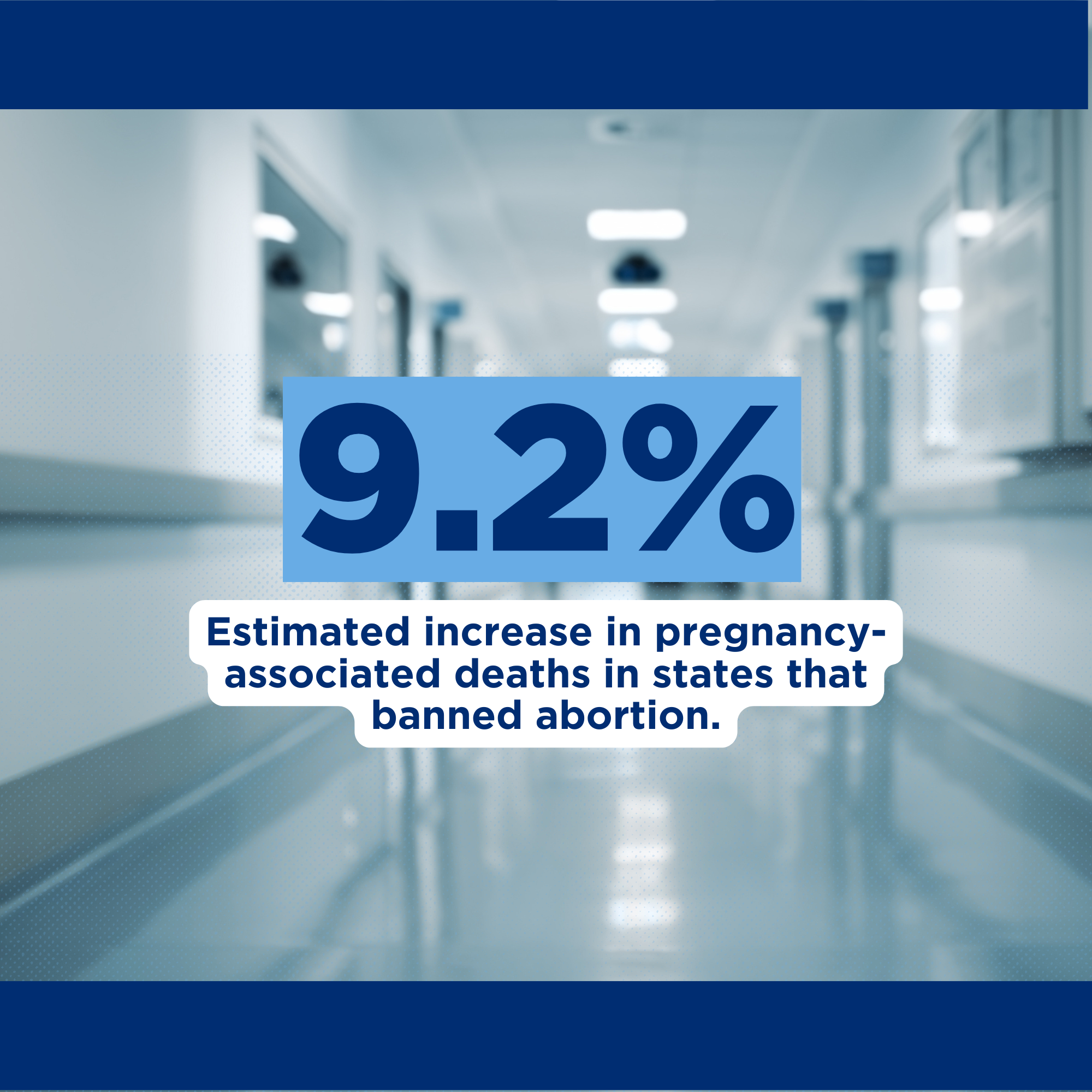
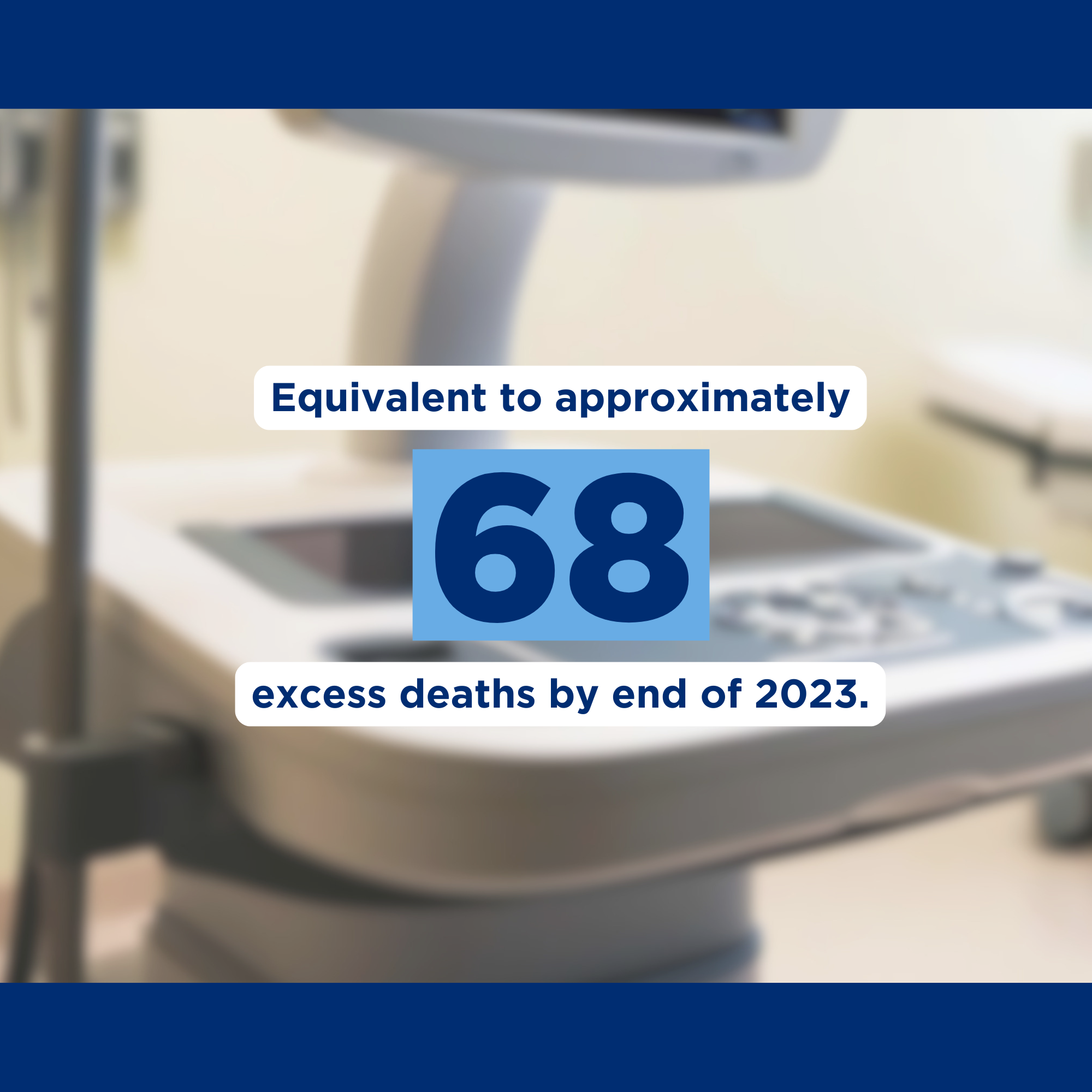
In states that implemented complete or six-week abortion bans, researchers estimated a possible 9.2% increase in pregnancy-associated deaths above expected levels, corresponding to approximately 68 excess deaths by the end of 2023. These include deaths during pregnancy or within one year due to any cause.
Relative changes in pregnancy-related mortality—deaths during or within one year of pregnancy due to obstetric causes—were similar in magnitude but had greater uncertainty.
The study did not find evidence of a measurable increase in maternal mortality—defined as deaths during pregnancy or within 42 days after pregnancy due to obstetric causes—though the researchers caution this should not be interpreted as evidence that abortion bans are not causing harm.

“Increases in these measures of mortality can be hard to detect, but these findings suggest many preventable deaths have occurred in states that banned abortion,” says Bell. “This study adds to a growing body of research that demonstrates the devastating—and in this case deadly—consequences associated with abortion bans for pregnant people and their families.”
Alarming Implications for Health Equity
The study comes amid major changes in abortion policy across the U.S.
Following Texas’ 2021 Senate Bill 8, which banned most abortions after six weeks of pregnancy, and the Supreme Court’s 2022 Dobbs decision eliminating federal protections for abortion access, states have enacted increasingly restrictive abortion laws. Today, 18 states have complete or six-week abortion bans in effect.
Researchers point to several ways abortion bans could contribute to increased mortality. These include:
- increases in the number of births, which carry greater health risks than abortion;
- barriers to receiving timely and quality pregnancy care; and
- a disproportionate impact of restrictions on people already facing higher risk of poor pregnancy outcomes.
Previous research suggests these harms may fall most heavily on low-income communities and racially marginalized populations.
The authors warn that recent progress in addressing the U.S. maternal mortality crisis could be undermined by policies that restrict reproductive health care, including abortion.
They also emphasize the importance of strengthening public health data systems and maintaining national attention on maternal health outcomes.
WHGI will continue advancing research on how access to safe abortion care is shaped by deep inequities in health systems and society. Follow along for updates by subscribing to the Positive Disruptions newsletter.