By Natalie Apcar, Advocacy & Communications Manager
When Dr. Naglaa Fathy Lithy first joined the William H. Gates Sr. Institute’s (WHGI) 120 Under 40 network in 2019, she was a young leader from Egypt with a powerful vision: empower young people in marginalized communities through sexual and reproductive health education.
What she did not yet know was just how far that vision would travel.
Today, Dr. Naglaa is an internationally recognized youth leader whose initiative, Games for Goals, has reached thousands of young people across Egypt through innovative, game-based learning on sexual and reproductive health and rights (SRHR), gender-based violence, and leadership development. Most recently, her work earned a prestigious award organized by the Misr Alkheir Foundation and the Arab League University.
But behind the award is a much deeper story about mentorship, resilience, and what becomes possible when young leaders are given the opportunity to grow.
Finding a Global Mentorship Community at WHGI
Dr. Naglaa joined WHGI’s 120 Under 40 platform — a global network recognizing the next generation of family planning and SRHR leaders — while in her late twenties. For her, the experience became transformational.
“It was a milestone for me,” she says. “It really changed my life.”
Through the program, she gained access not only to mentorship and training, but also to a global network of peers who believed in youth leadership and community-driven change.
“As a woman from a marginalized area, this gave me an opportunity to be an international leader,” she says.
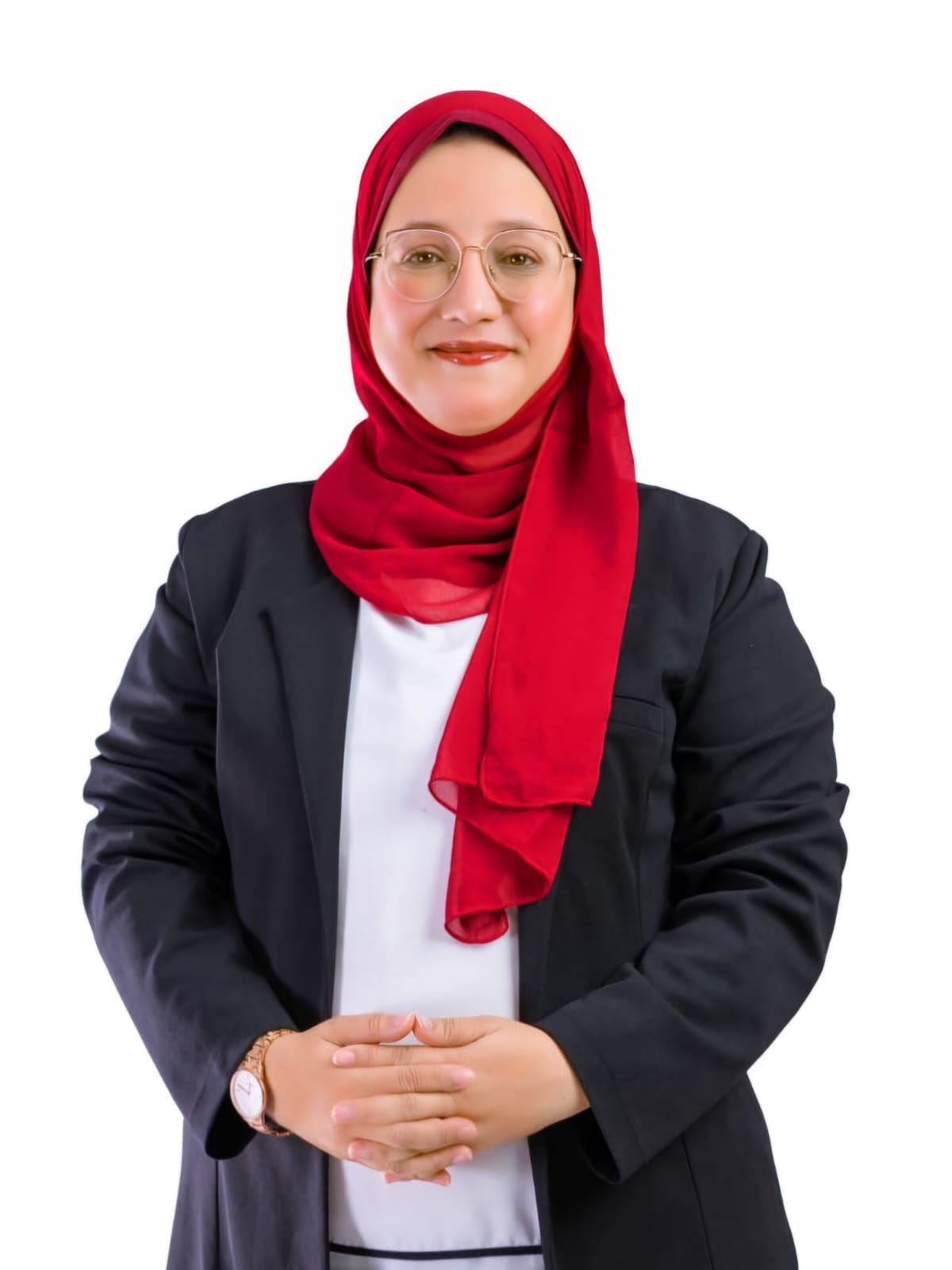
[Joining the 120 Under 40 network] was a milestone for me. It really changed my life.
A Second Chance Through Mentorship
Around the same time, Dr. Naglaa was building Games for Goals, an initiative that uses sports, games, and storytelling to make SRHR education engaging and accessible for youth.
When WHGI opened applications for the Ingenuity Fund — a grant opportunity supporting innovative youth-led SRHR projects — Dr. Naglaa applied, but unfortunately was not selected.
For many young leaders, that might have been the end of the journey. Instead, it became a turning point.
With encouragement and coaching from Johns Hopkins University graduate student and WHGI team member Jordan Freeman, Dr. Naglaa strengthened her proposal-writing and fundraising skills and applied again in 2022.
This time, she won.
“If it wouldn’t have been for her mentorship, I would not have applied again,” Dr. Naglaa says. “It increased my technical skills and understanding of how to pitch funders and write proposals.”
The experience helped launch new opportunities beyond the grant itself. Today, she also works part-time as a proposal writer with the Egyptian Red Crescent.
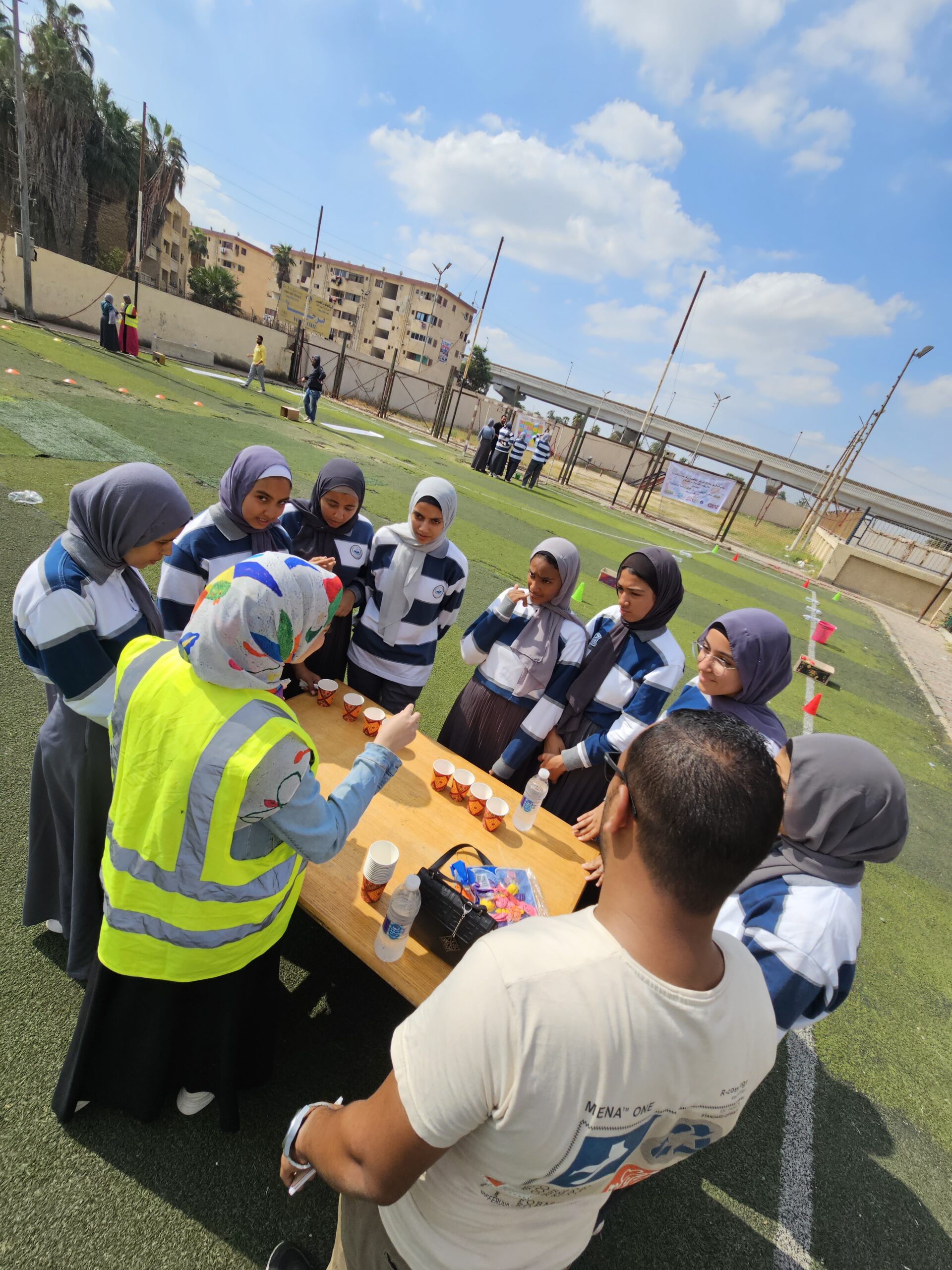
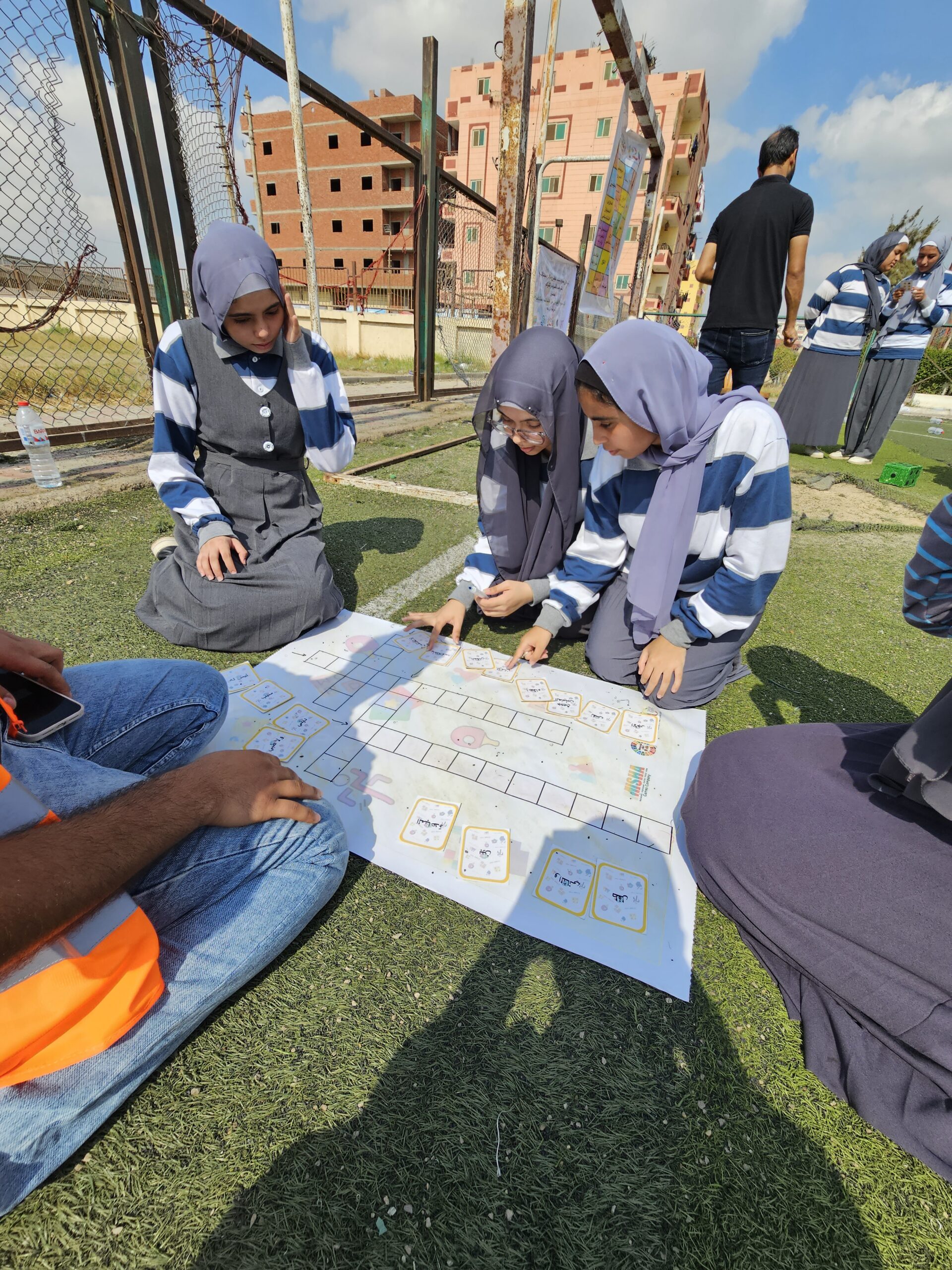
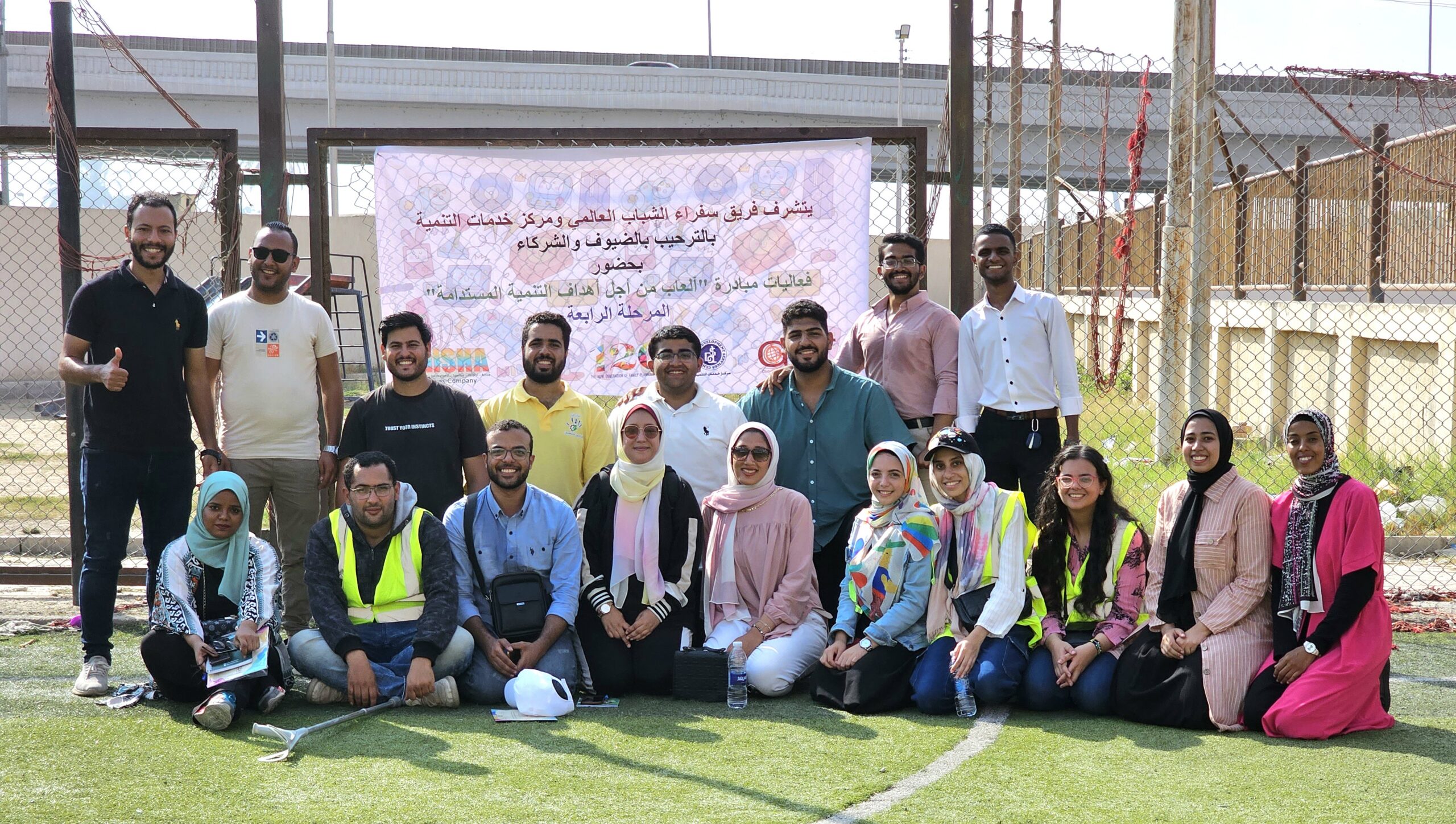
Images from Games for Goals' work in-the-field, utilizing gameplay as a dynamic platform to explore and promote health, autonomy, and empowerment.
Games that Spark Change
What began as a local initiative has now expanded into a multi-phase national movement.
Through Games for Goals, Dr. Naglaa and her team have trained more than 300 youth leaders on SRHR, family planning, gender-based violence, and innovative educational tools. Those young leaders have gone on to train others, creating a ripple effect across communities. The initiative has also educated more than 10,000 children and youth across 15 marginalized villages in Egypt.
The program’s success comes from making difficult topics easier to understand through games, storytelling, and dialogue.
One moment in particular revealed the true impact of the work.
During a training in a rural village, discussions around female genital mutilation (FGM) sparked tension with a local partner organization that supported the practice. As youth participants learned about the harms of FGM through the games, they began asking difficult questions and speaking up for themselves.
Rather than staying silent, the young people advocated to continue the conversations. With support from the religious leaders who sit on the Games for Goals team, the two groups were able to come together for an effective dialogue, and the young people were permitted to stay in the training.
“The games and stories make the evidence easy to digest and understand,” Dr. Naglaa explains.
For her, this was one of the clearest examples of what youth leadership can accomplish: empowering young people not just with information, but with confidence and agency. Stories like this are what contributed to her recognition with this award, Dr. Naglaa reflects. “When you see the change that you are making happening in front of you, that's something that sustains you,” she says.
“When you see the change that you are making happening in front of you, that's something that sustains you."
Next in the 120 Under 40 Leadership Journey
Now in its fourth phase, Games for Goals continues to grow and evolve, incorporating topics like climate change, leadership, and civic engagement alongside SRHR education.
Dr. Naglaa also recently participated in WHGI’s Global Health Leadership and Advocacy Accelerator (GHLAA) in Bogotá, Colombia, where she developed a project proposal for the next phase of Games for Goals. Due to its strong operational plan, SMART advocacy strategy, and leadership vision, the GHLAA facilitators selected Dr. Naglaa’s pitch for presentation at the International Conference on Family Planning (ICFP) Youth Summit.
In previous years, donors attending the summit helped fund promising youth-led projects. But due to growing funding constraints across the global SRHR field, donors could not commit to this same "pitch and fund" model, leaving many innovative ideas without immediate financial support.
Still, Dr. Naglaa sees opportunity ahead.
“The field is changing quickly, and I’ve always had to adapt,” she says. “We can continue to adapt and change to continue bringing support to the communities we serve.”
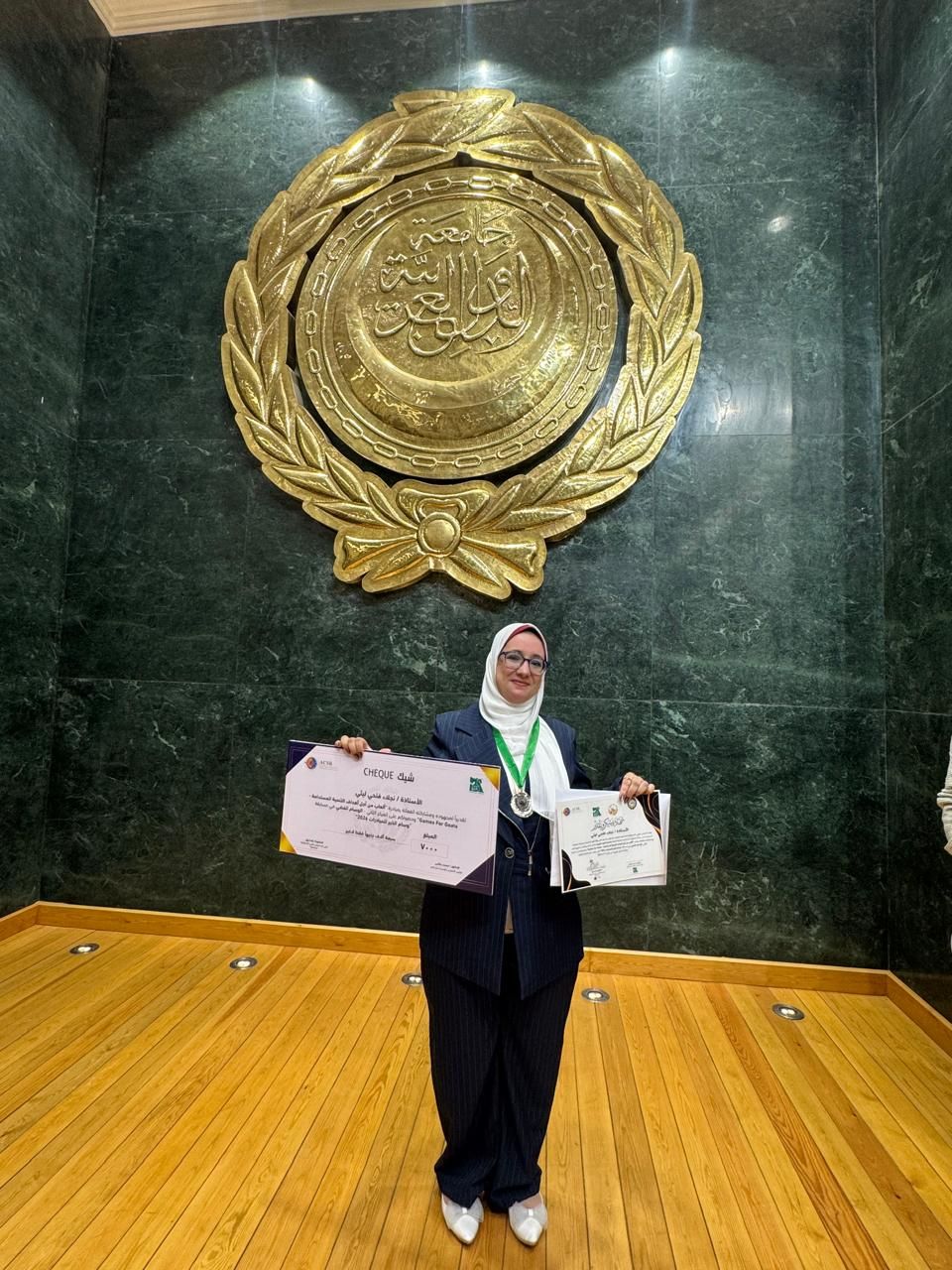
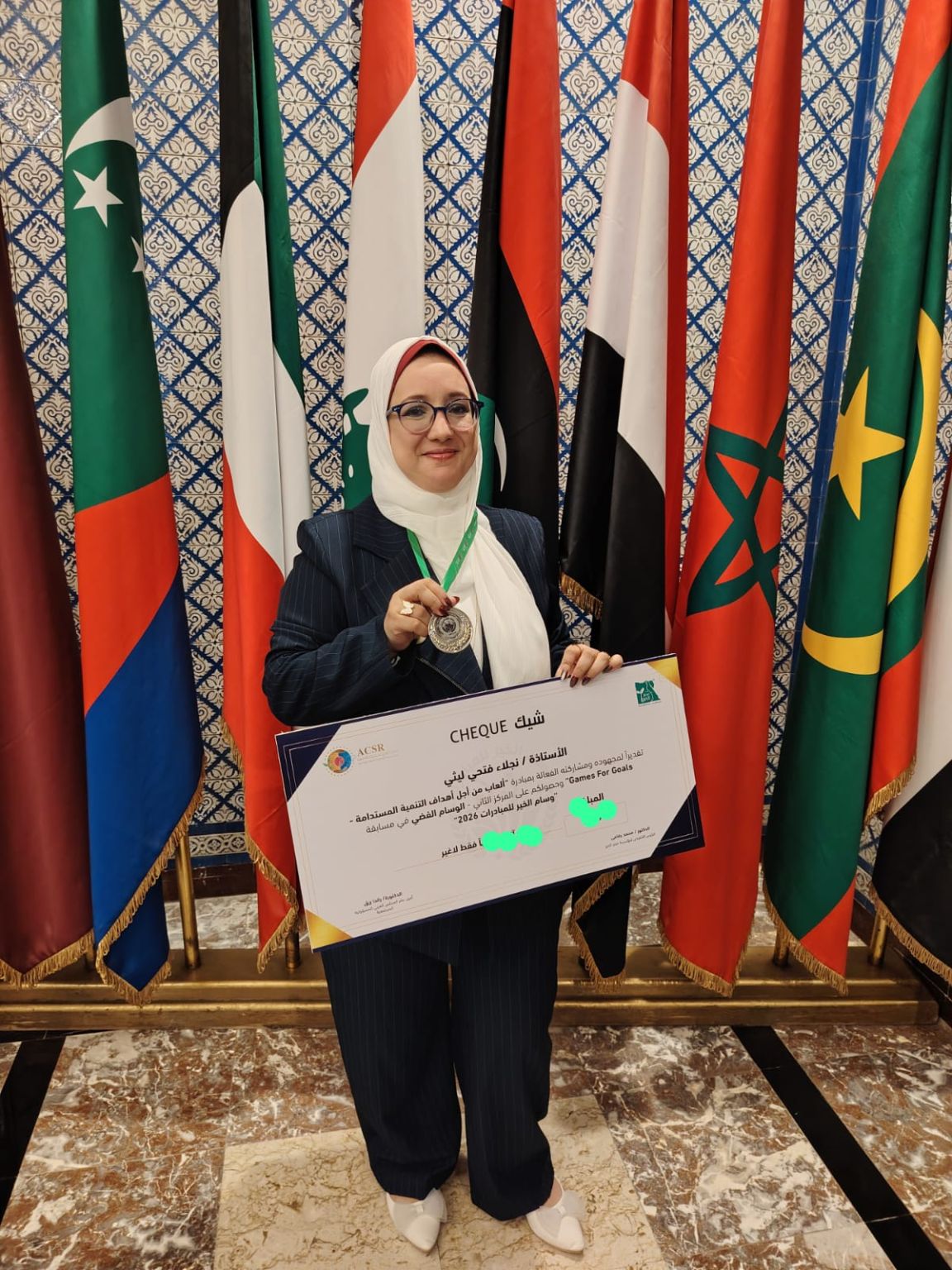
Dr. Naglaa at the awards ceremony in Egypt, proudly displaying her award and prize.
Today, she is continuing to expand Games for Goals while building partnerships and seeking new opportunities to bring youth-led SRHR innovation to even more communities across Egypt. And she continues to receive recognition in addition to the recent award. She is now also a finalist for the “She Inspires” Award, which is led by a UK-based organization focused on women’s leadership advancement.
Her story reflects the power of investing in youth leadership: when young changemakers are given mentorship, opportunity, and a global platform, they do not just transform their own futures — they transform their communities as well.
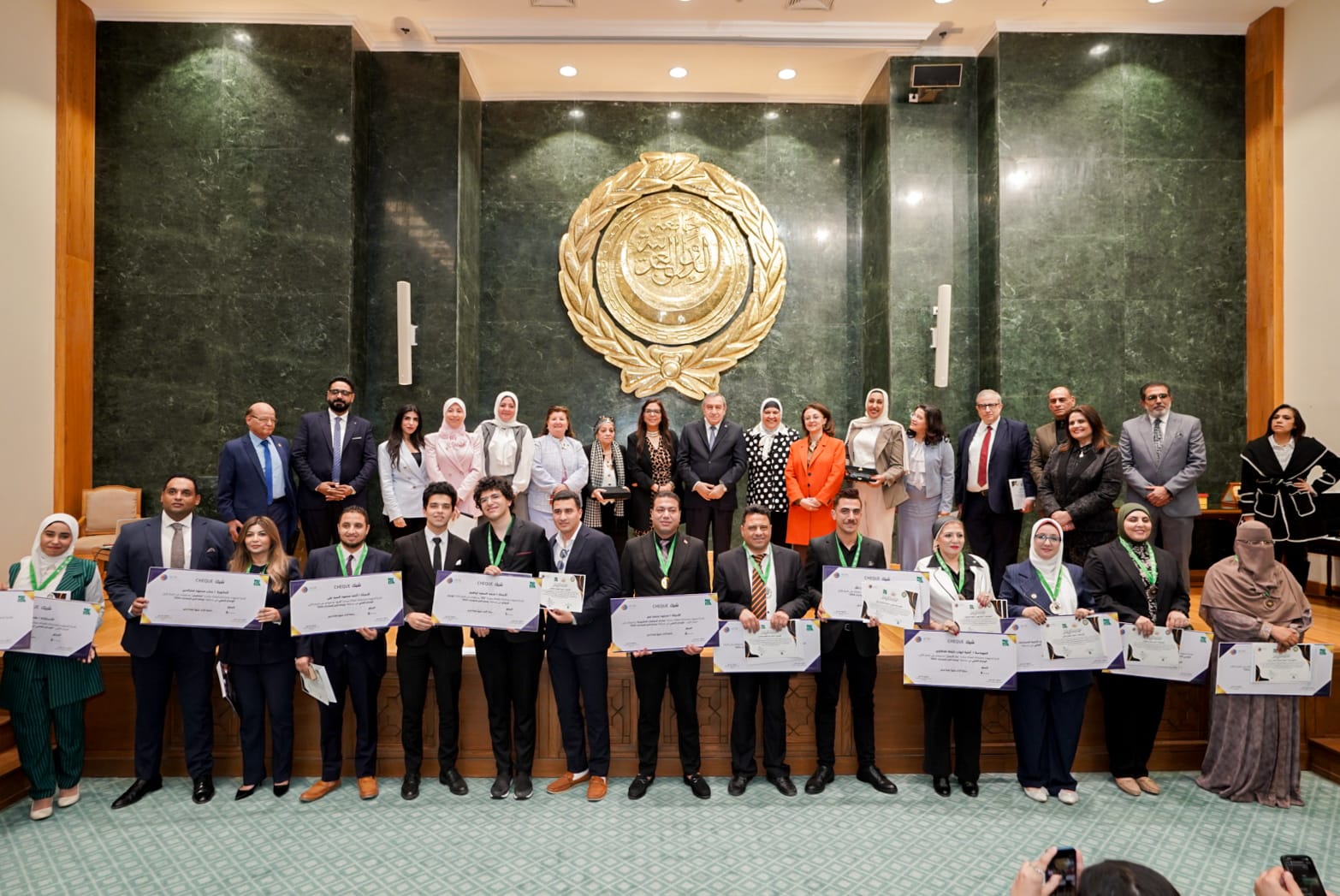
Group photo from the awards ceremony. Dr. Naglaa is the third from the right.