WHGI Platform
Reproductive Health Centers of Excellence
Strengthening Reproductive Health Education, Research Capacity, and Regional Leadership

What are the Reproductive Health Centers of Excellence?
The William H. Gates Sr. Institute for Population and Reproductive Health (WHGI) established Reproductive Health Centers of Excellence (RHCoE) in collaboration with esteemed partner institutions.
The centers develop graduate curricula and degree programs in reproductive health and extend its influence to strengthen reproductive health teaching and research capacity in the region.
Where are the Reproductive Health Centers of Excellence Located?
These centers are located at Makerere University in Uganda, Addis Ababa University in Ethiopia, Assiut University in Egypt, University of Ibadan and Obafemi Awolowo University in Nigeria, Kwame Nkrumah University of Science and Technology and University of Ghana in Ghana, and University of Malawi in Malawi.
How Does WHGI Work with These Reproductive Health Centers of Excellence?
The centers have become epicenters of transformative education and now extend their influence to mentor other regional universities, fortifying reproductive health teaching and research capacity.
WHGI continues to partner with these centers through a collaborative, two-way exchange of knowledge and expertise.
Together, WHGI and the centers collaborate across a variety of programmatic areas—including research and data generation, policy and advocacy, leadership development, and translating evidence into practice—to strengthen reproductive health capacity and advance shared goals.
Related Posts
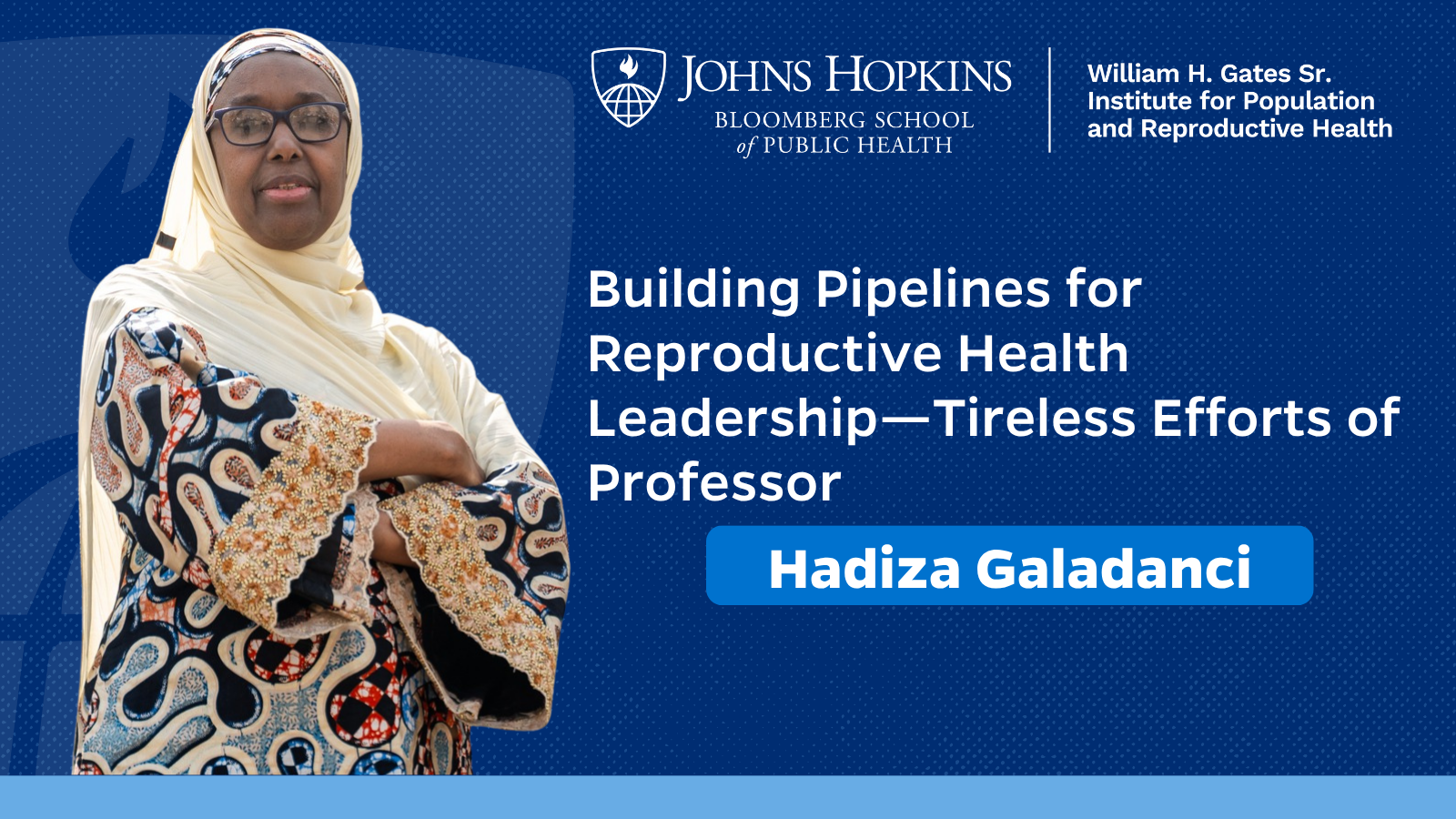
Building Pipelines for Reproductive Health Leadership—Tireless Efforts of Prof. Hadiza Galadanci